
Keeping a home clean can be challenging when work, family responsibilities, school, errands, and other commitments fill most of the week. For busy households in Vancouver, cleaning can easily become another task that gets pushed to the bottom of the to-do list.
The good news is that maintaining a clean home does not require spending an entire day cleaning every week. A practical cleaning routine divides household tasks into smaller daily, weekly, and monthly activities. This makes cleaning easier to manage and helps prevent dirt, dust, clutter, and grime from building up.
The best routine depends on your home’s size, the number of people living there, whether you have pets, and how much time you can realistically set aside. By prioritising high-traffic areas and scheduling less frequent tasks separately, you can create a routine that works with your lifestyle.
If balancing household responsibilities leaves you with little time for cleaning, professional house cleaning services in Vancouver can provide additional support and help you maintain a more comfortable living environment.
Why Does a Cleaning Routine Matter for Busy Households?
Without a consistent cleaning schedule, small tasks can quickly turn into larger jobs. A few dishes left in the sink can become a pile, dust can accumulate on furniture, and clutter can gradually spread throughout the home.
A regular routine helps break cleaning into manageable responsibilities. Instead of waiting until the entire house needs attention, you can spend a few minutes each day handling basic tasks and reserve longer cleaning activities for specific days.
A practical cleaning routine can help:
- Prevent excessive dirt and dust from accumulating.
- Reduce household clutter.
- Keep kitchens and bathrooms cleaner.
- Make cleaning more predictable.
- Reduce the workload during larger cleaning sessions.
- Keep frequently used areas comfortable.
- Make seasonal cleaning easier to manage.
The goal is not to make every part of your home spotless every day. It is to maintain a reasonable level of cleanliness so that household tasks do not become overwhelming.
For households that need extra help keeping up with everyday chores, recurring can complement a simple home cleaning routine.
What Should You Clean Every Day?
Daily cleaning should focus on the areas that receive the most use. These tasks generally take only a few minutes and can prevent small messes from becoming bigger problems.
Kitchen
The kitchen is usually one of the busiest rooms in a home. Keeping it under control each day can make weekly cleaning much easier.
Daily kitchen tasks can include:
- Washing dishes or loading the dishwasher.
- Wiping countertops and food preparation surfaces.
- Cleaning the kitchen sink.
- Wiping up obvious spills.
- Sweeping crumbs and loose debris.
- Putting food and kitchen items away.
- Wiping frequently used surfaces as needed.
Cleaning spills when they happen can also prevent food residue from drying and becoming harder to remove.
Living Areas
Living rooms and common spaces can become cluttered quickly, particularly in homes with children, pets, or several occupants.
A short daily reset might involve putting items back in their proper places, removing rubbish, folding blankets, and clearing tables or other surfaces.
You do not necessarily need to vacuum the entire room every day. Instead, focus on visible dirt and high-traffic areas when necessary.
Bathrooms
Bathrooms also benefit from small daily maintenance tasks. Wiping the sink after use, putting toiletries away, removing visible water marks, and dealing with spills can reduce the buildup that needs to be addressed during the weekly clean. These quick habits help keep the bathroom presentable without requiring a full cleaning session every day.
What Should You Clean Every Week?
Weekly cleaning involves more thorough work than your daily routine. You can complete these tasks on one designated day or spread them across the week, depending on your schedule.
Common weekly cleaning tasks include:
- Vacuuming carpets and rugs.
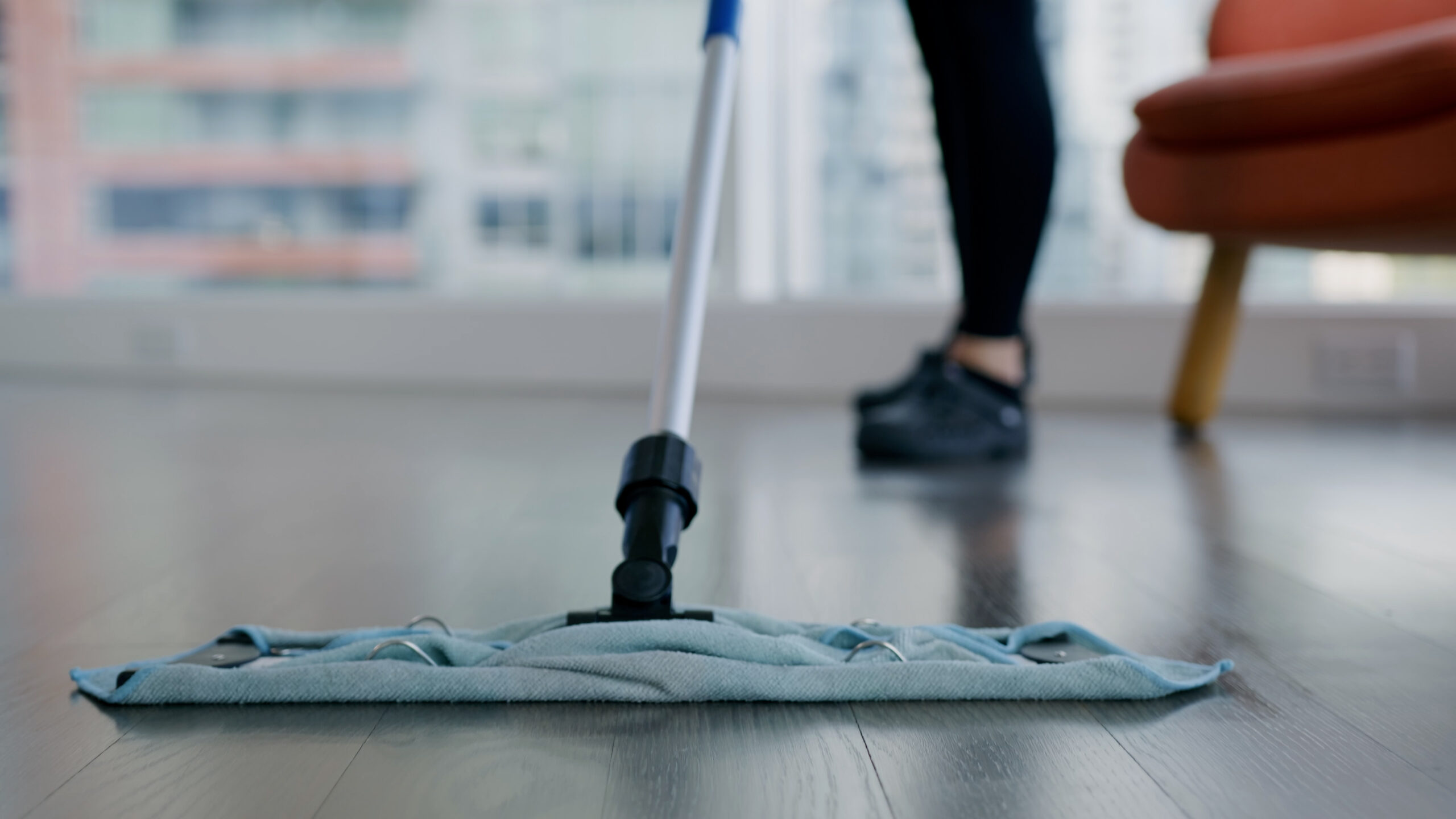
- Sweeping and mopping suitable floors.
- Dusting accessible furniture and surfaces.
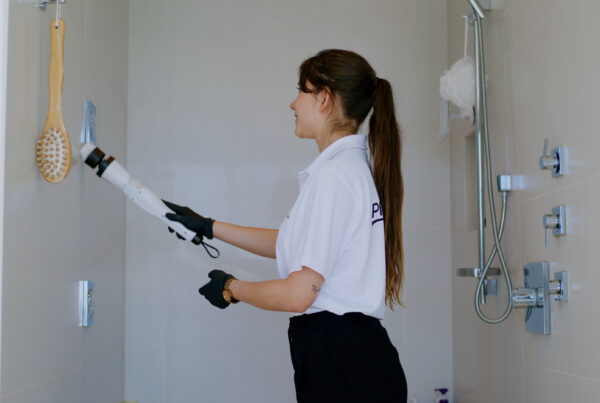
- Cleaning bathrooms.
- Wiping kitchen surfaces and appliance exteriors.
- Changing bed linens.
- Emptying rubbish bins.
- Cleaning mirrors.
- Wiping frequently touched surfaces.
For a busy household, dividing these tasks across several days can make the process more manageable. For example, you could clean bathrooms on Tuesday, vacuum on Wednesday, dust on Thursday, and focus on the kitchen and floors on Saturday. This approach reduces the need to complete every cleaning task during a single weekend session.
How Often Should You Vacuum and Mop?
The ideal frequency depends on how much traffic your home receives. Homes with children, pets, or several occupants may need more frequent vacuuming than homes with fewer people. High-traffic areas such as hallways, entryways, kitchens, and living rooms may also require additional attention.
A practical approach is to vacuum high-traffic areas several times a week when necessary while completing a more thorough whole-home vacuum regularly. Hard floors can be swept or vacuumed to remove loose dirt before being mopped. Kitchens and bathrooms may require more frequent mopping because of spills, moisture, and daily use.
Rather than following a rigid schedule, pay attention to how quickly dirt accumulates in different parts of your home. If regular floor care and other household tasks become difficult to manage, professional can help you keep up with your home’s ongoing maintenance needs.
Monthly Cleaning Tasks
Some cleaning tasks do not need to be completed every week. Monthly cleaning provides an opportunity to address areas that are easy to overlook during everyday maintenance.
Depending on your home’s needs, monthly tasks may include:
- Cleaning accessible baseboards and trim.
- Dusting accessible vents.
- Wiping doors and door frames.
- Cleaning selected light fixtures where accessible.
- Dusting less frequently used surfaces.
- Decluttering storage spaces.
- Cleaning selected cabinet interiors if appropriate.
- Cleaning around and underneath furniture where safely accessible.
- Checking mirrors and accessible glass surfaces.
These tasks can be divided throughout the month rather than completed all at once. For example, you could dedicate one weekend to bedrooms and storage areas and another to doors, accessible surfaces, and less frequently cleaned spaces.
Remember that some tasks, such as cleaning inside cabinets, may require additional time or a separate service when booking professional cleaning.
How Should You Handle Seasonal Cleaning?
Seasonal cleaning provides an opportunity to complete tasks that do not fit naturally into your weekly routine. For Vancouver households, it can be useful when transitioning between periods of heavier indoor and outdoor activity.
Spring Cleaning
Spring can be a good time to:
- Declutter rooms.
- Clean specified windows and glass surfaces.
- Dust accessible surfaces that are not cleaned frequently.
- Wash selected curtains and fabrics.
- Organise closets.
- Clean around accessible furniture.
- Refresh bedrooms and common areas.
Fall Cleaning
Fall cleaning can focus on preparing your home for increased indoor activity.
Tasks may include:
- Organising seasonal clothing.
- Cleaning entryways.
- Removing accumulated dust from accessible surfaces.
- Vacuuming carpets and rugs.
- Decluttering storage areas.
- Refreshing bedrooms and living spaces.
Seasonal cleaning does not need to happen in one day. Breaking the work into smaller projects can make it much easier to fit around work and family commitments.
If your seasonal checklist becomes too long, consider arranging to help with the tasks covered by your chosen service.
How Can You Create a Cleaning Schedule That Fits Your Lifestyle?
The best cleaning schedule is one you can realistically follow. A common mistake is creating an ambitious routine that requires several hours every day. Although this may work temporarily, it can become difficult to maintain when work, travel, family activities, or unexpected responsibilities arise.
Start by identifying the cleaning tasks that matter most to your household.
For example, you might divide your routine into the following schedule.
Daily tasks
- Wash dishes and wipe kitchen surfaces.
- Deal with spills.
- Put away clutter.
- Maintain bathroom sinks and other frequently used surfaces.
Weekly tasks
- Vacuum and mop floors.
- Clean bathrooms.
- Dust accessible furniture.
- Clean kitchen surfaces.
- Change bed linens.
Monthly tasks
- Clean accessible baseboards and trim.
- Wipe doors and door frames.
- Declutter selected storage areas.
- Address less frequently cleaned surfaces.
Seasonal tasks
- Declutter rooms.
- Organise closets and storage.
- Clean selected windows and fabrics.
- Complete larger household cleaning projects.
This structure creates consistency without making your routine unnecessarily complicated.
You can adjust the schedule according to your household’s needs. If certain rooms get dirty faster than others, give them more frequent attention rather than treating every area equally.
Should Household Members Share Cleaning Tasks?
In a busy household, cleaning does not always need to be one person’s responsibility. Adults, older children, and other household members can take responsibility for suitable tasks.
Even small contributions can reduce the workload for everyone.
One person might handle dishes and kitchen maintenance, while another takes care of rubbish, vacuuming, or bathroom cleaning. Clear responsibilities make it easier to maintain the routine because everyone knows what needs to be done.
For children, simple age-appropriate tasks such as putting toys away, organising belongings, or helping with basic tidying can become part of their daily routine.
A shared cleaning schedule can also help prevent disagreements about household responsibilities. Keep the list simple and realistic so that everyone can follow it consistently.
Which Areas Should Be Cleaned More Frequently?
Not every part of a home gets dirty at the same rate. High-traffic areas usually require more frequent cleaning than rooms that are rarely used.
These areas often include:
- Kitchen.
- Entryway.
- Living room.
- Main bathroom.
- Hallways.
- Dining area.
The entryway deserves particular attention because outdoor dirt can be brought into the home through shoes and foot traffic. Using doormats and removing outdoor footwear indoors can help reduce the amount of dirt transferred to floors.
Kitchens and bathrooms may also require frequent attention because they are used throughout the day. Maintaining these spaces can make the entire home feel cleaner, even when you have limited time for other tasks.
How Can You Keep Your Home Clean Between Cleaning Sessions?
Small habits can have a significant impact on how clean your home feels. One useful approach is to clean as you go. Instead of allowing small messes to accumulate, deal with them when they occur.
For example, wipe the kitchen counter after preparing food rather than leaving residue for later. Put clothes away instead of allowing them to accumulate on furniture. Return household items to their designated places after use.
Other useful habits include:
- Keeping everyday cleaning products accessible.
- Cleaning spills immediately.
- Putting dishes away promptly.
- Decluttering surfaces regularly.
- Using baskets for frequently misplaced items.
- Removing rubbish before bins become full.
- Making beds each morning if helpful.
- Keeping shoes organised near the entrance.
These habits do not replace regular cleaning, but they can make weekly maintenance significantly easier.
For households with particularly busy schedules, a combination of simple daily habits and recurring can help keep cleaning manageable.
How Can Busy Families Manage Clutter?
Clutter can make a home appear untidy even when its surfaces and floors are relatively clean. A simple way to manage clutter is to give commonly used items a designated location. When everything has a place, tidying becomes faster and easier.
You can also create a short daily reset. Spend 10 to 15 minutes returning items to their proper locations at the end of the day. Storage baskets, drawer organisers, shelves, and labelled containers can help keep frequently used belongings under control.
Decluttering should also be part of your monthly or seasonal routine. If something is no longer useful, consider donating, recycling, or disposing of it rather than allowing it to take up unnecessary space. Professional cleaning can help with maintaining suitable surfaces and floors after decluttering, but organising personal belongings should be handled separately unless an appropriate additional service has been agreed upon.
When Should You Consider Professional House Cleaning?
Even with a good routine, some households may not have enough time to keep up with every cleaning task.
Professional house cleaning can be useful when work schedules, family commitments, travel, or other responsibilities make regular maintenance difficult.
It may also be helpful when:
- You have a large household.
- You have young children.
- You have pets.
- Your home receives frequent visitors.
- You are preparing for an event.
- You need help with seasonal cleaning.
- You want support maintaining a consistent cleaning routine.
- Certain rooms require more attention than you can provide yourself.
Professional cleaning does not have to replace your everyday routine. It can work alongside it by handling agreed household cleaning tasks while you maintain basic cleanliness between visits.
For households looking for ongoing support, PRO CLEAN‘s House Cleaning service is the most relevant place to explore available options. If you are moving into a new property and need a more specific service before settling in, a separate may be more suitable.
How Often Should You Schedule Professional House Cleaning?
There is no universal schedule for professional house cleaning. The right frequency depends on your home, lifestyle, budget, and how much routine cleaning you can manage yourself.
Weekly Cleaning
Weekly cleaning can work well for busy households that need consistent help maintaining frequently used areas. It may be particularly useful for families with children, pets, or homes that experience considerable daily activity.
Biweekly Cleaning
Cleaning every two weeks can be a practical option for households that handle basic daily maintenance themselves but want additional support with bathrooms, kitchens, floors, and other routine tasks.
Monthly Cleaning
Monthly professional cleaning may suit smaller households or people who can manage most everyday tasks but need occasional assistance. The available time should be allocated to the highest-priority areas, based on the agreed service checklist.
Occasional Deep Cleaning
Some homeowners only need professional help during specific situations, such as seasonal cleaning, before an event, after hosting guests, or during a move. Deep cleaning is different from routine maintenance and may involve a separate checklist, price, and booking arrangement.
The important thing is to choose a schedule that matches your actual cleaning needs rather than simply following someone else’s routine. For ongoing maintenance, start with the House Cleaning service and discuss the frequency that works best for your household.
Frequently Asked Questions
What should be cleaned every day in a busy household?
Daily cleaning should generally focus on high-use areas. This can include washing dishes, wiping kitchen counters, dealing with spills, tidying clutter, and maintaining bathroom sinks and surfaces.
How often should a Vancouver home be deep cleaned?
The frequency depends on household size, lifestyle, pets, foot traffic, and the condition of the home. Some households may benefit from seasonal deep cleaning, while others may prefer it more frequently.
How can a busy family keep their house clean?
Create a simple routine that divides tasks into daily, weekly, and monthly responsibilities. Focus on high-traffic areas, clean small messes promptly, reduce clutter, and share appropriate tasks among household members.
Is it better to clean a little every day or once a week?
A combination of both usually works best. Short daily tasks prevent mess from accumulating, while weekly cleaning allows you to handle more thorough tasks such as vacuuming, mopping, dusting, and bathroom cleaning.
How often should bathrooms be cleaned?
Bathrooms should receive basic maintenance throughout the week, particularly in busy households. More thorough cleaning can generally be included in the weekly routine, with additional attention when necessary.
How often should carpets and rugs be vacuumed?
The ideal frequency depends on foot traffic, pets, children, and household activity. High-traffic areas may need vacuuming several times a week, while less-used areas can generally be cleaned less frequently.
What cleaning tasks should be done monthly?
Monthly tasks can include cleaning accessible baseboards, wiping doors and door frames, decluttering storage areas, and addressing less frequently cleaned surfaces.
Is professional house cleaning worth it for a busy household?
Professional house cleaning can be useful when you do not have enough time to keep up with household tasks. It can reduce the amount of time you spend cleaning and provide additional support with routine maintenance.
How should I prepare for professional house cleaning?
Identify the rooms and tasks that require the most attention, remove unnecessary clutter from accessible surfaces, and communicate your priorities before the service begins.
How long does a typical professional cleaning take?
Cleaning time depends on the size and condition of the home, the number of cleaners, and the level of cleaning required. As a general example, a one-bedroom apartment takes approximately two hours with two cleaners, while a two-bedroom apartment takes around three hours with two cleaners. Larger homes or those requiring additional tasks may take longer.
Can professional cleaners help with dishes and laundry?
Yes. Dishwashing is available as part of the cleaning service, and laundry can also be requested. However, laundry requires drying time. If cleaners are expected to wait until items are dry, appropriate instructions should be provided in advance. Confirm any additional requirements when arranging your appointment.
Are professional cleaning services available on weekends?
PRO CLEAN’s supplied service information states that appointments are available every day, including weekends, except holidays. Weekend appointments are charged at the same rate.
How much notice is needed to cancel or change a cleaning appointment?
According to the supplied service information, there are no cancellation fees, but 24 hours’ notice is required for cancellations or changes. Confirm the current policy when booking so you know how to adjust your appointment if your schedule changes.
What happens if an area is missed during cleaning?
PRO CLEAN’s supplied satisfaction policy states that customers can contact the company within 24 hours if an area is missed. Missed areas can be corrected at no additional charge for up to 20 minutes under that policy.
Final Thoughts
The best cleaning routine for a busy Vancouver household is not necessarily the most demanding one. A routine is more effective when it is realistic, flexible, and easy to maintain.
If your schedule makes it difficult to maintain these tasks consistently, professional house cleaning can provide additional support. By combining simple daily habits with regular maintenance and occasional deeper cleaning, you can maintain a cleaner, more comfortable home without allowing household chores to take over your week.
Need help keeping your home clean? Contact us today to discuss your household’s cleaning needs, ask about available appointments, and find a house cleaning service that fits your schedule.