
A one-time deep cleaning can eliminate up to 99% of bacteria and viruses from surfaces and reduce indoor allergens by 50%, significantly improving indoor air quality. Many homeowners assume regular cleaning keeps their homes truly clean, but routine maintenance misses hidden grime and health hazards that accumulate over time. This guide explains what deep cleaning entails, how it differs from regular cleaning, the specific tasks involved, proven health benefits, optimal scheduling, and common misconceptions to help you maintain a healthier living environment.
Table of Contents
- Understanding Deep Cleaning: Definition And Importance
- Scope And Tasks Of Deep Cleaning: What Does It Cover?
- Health And Hygiene Benefits Of Deep Cleaning
- Comparison Between Regular Cleaning And Deep Cleaning
- When And Why To Schedule Deep Cleaning Services
- Common Misconceptions About Deep Cleaning
- Practical Benefits And Long-Term Value Of Deep Cleaning
- ProClean Services For Deep Cleaning In The Greater Vancouver Area
- Frequently Asked Questions
Key takeaways
| Point | Details |
|---|---|
| Deep cleaning targets hidden contaminants | It addresses grime and allergens in neglected areas that routine cleaning cannot reach or remove effectively. |
| Intensive tasks cover all rooms | Services include cleaning baseboards, vents, inside appliances, grout scrubbing, and sanitising high-touch surfaces throughout your home. |
| Proven health improvements | Deep cleaning reduces allergens by up to 50% and eliminates 99% of bacteria and viruses, creating a healthier indoor environment. |
| Recommended twice yearly | Schedule deep cleaning every six months to prevent buildup and maintain optimal hygiene standards. |
| Windows require separate service | Window cleaning is usually excluded from standard packages and offered as an additional service. |
Understanding deep cleaning: definition and importance
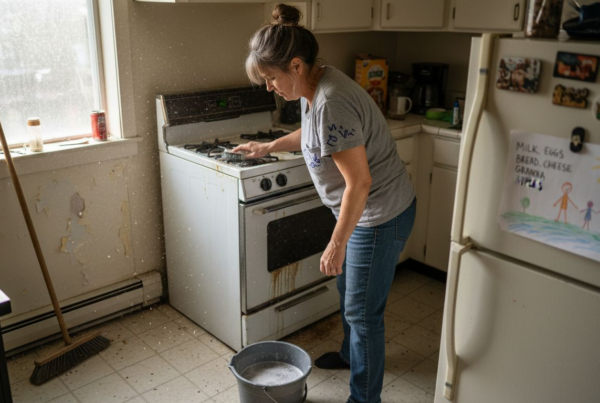
Deep cleaning is a thorough, intensive cleaning process that targets hard-to-reach and neglected areas such as baseboards, light fixtures, behind appliances, grout scrubbing, and high-touch surfaces that regular cleaning typically misses. Regular cleaning involves routine surface maintenance like wiping counters, vacuuming floors, and tidying visible areas. It keeps your home presentable but does not address accumulated grime or hidden allergens.
The difference between standard cleaning and deep cleaning lies in scope and intensity. Deep cleaning focuses on accumulated grime and neglected spots, whereas regular cleaning covers basic routine tasks. This comprehensive approach significantly reduces health risks by removing allergens, bacteria, and mould that routine cleaning leaves behind. Understanding these differences helps you make informed decisions about maintaining a truly clean and healthy home environment.
Key differences include:
- Regular cleaning maintains surface cleanliness through frequent light tasks
- Deep cleaning penetrates hidden areas where dirt, bacteria, and allergens accumulate
- Regular cleaning takes less time but addresses only visible dirt
- Deep cleaning requires more effort and time but delivers superior hygiene results
Professional services offer the scope and importance needed to reach every corner of your home. This thoroughness protects your family’s health and extends the lifespan of surfaces and appliances by preventing damaging buildup. Whether you maintain your home yourself or hire professionals, understanding what deep cleaning involves empowers you to create a healthier living space.
Scope and tasks of deep cleaning: what does it cover?
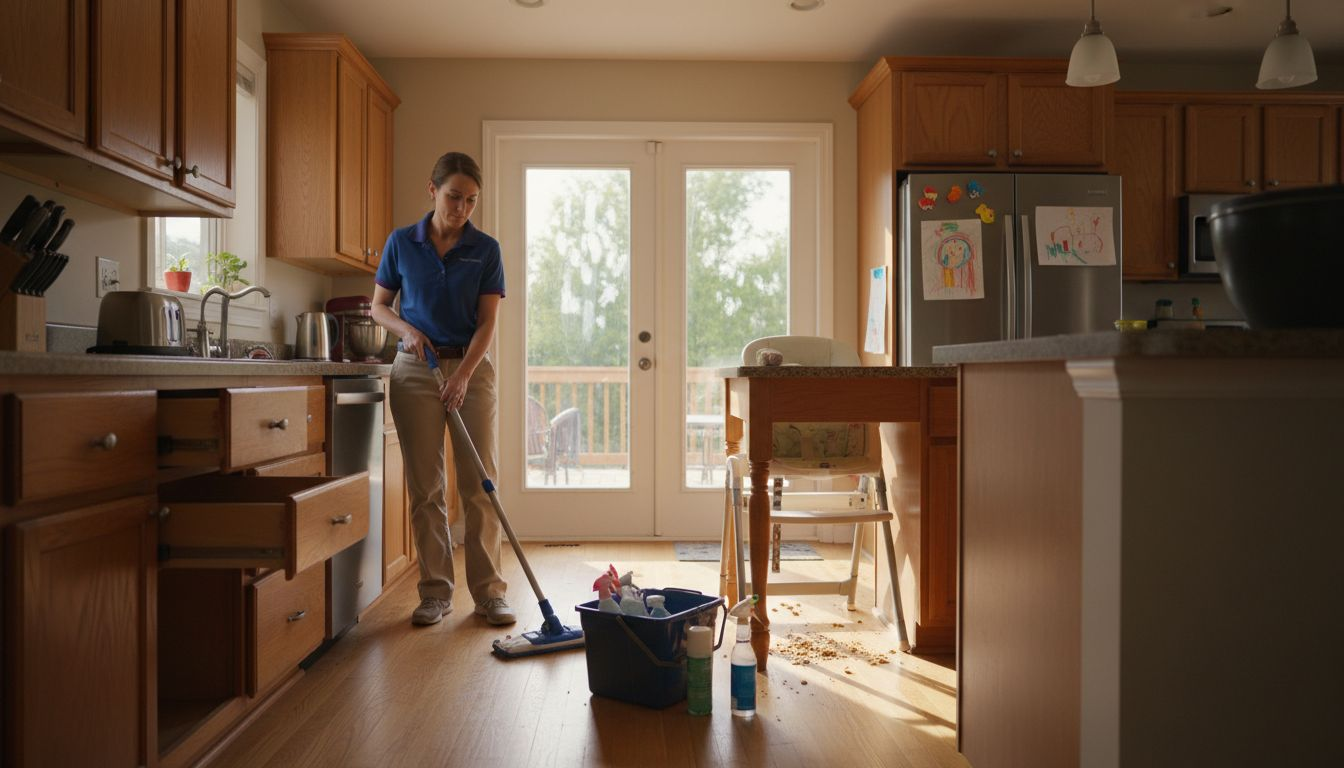
Deep cleaning involves detailed, room-by-room tasks that go far beyond routine maintenance. In kitchens, cleaners scrub inside appliances like ovens and refrigerators, degrease stovetops, sanitise sinks, and clean grout between tiles. Bathrooms receive intensive attention with thorough scrubbing of tubs, toilets, tile grout, and behind fixtures. Living areas benefit from dusting baseboards, cleaning air vents, vacuuming upholstery, and wiping down light fixtures and ceiling fans.
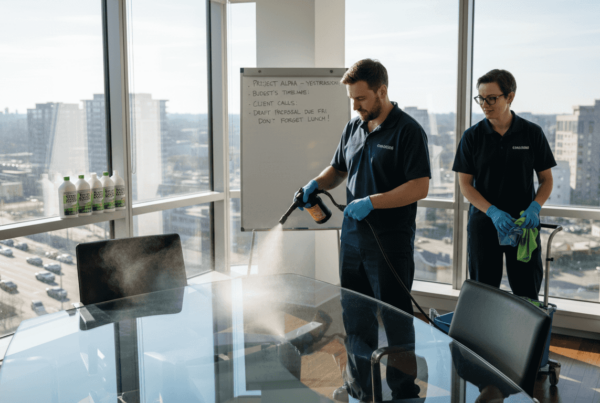
Sanitising frequently touched surfaces like door handles, light switches, and cabinet hardware is critical. These typical tasks in deep cleaning address every corner where dirt and bacteria hide. Cleaning involves accessing hard-to-reach spots that accumulate dust, such as ceiling fans, top shelves, and behind large furniture. Deep cleaning requires significantly more time and effort than regular cleaning due to the need to access and sanitise hidden spaces.
Common tasks include:
- Kitchen: inside appliances, cabinet exteriors, sink and faucet deep clean, backsplash scrubbing, floor mopping with grout attention
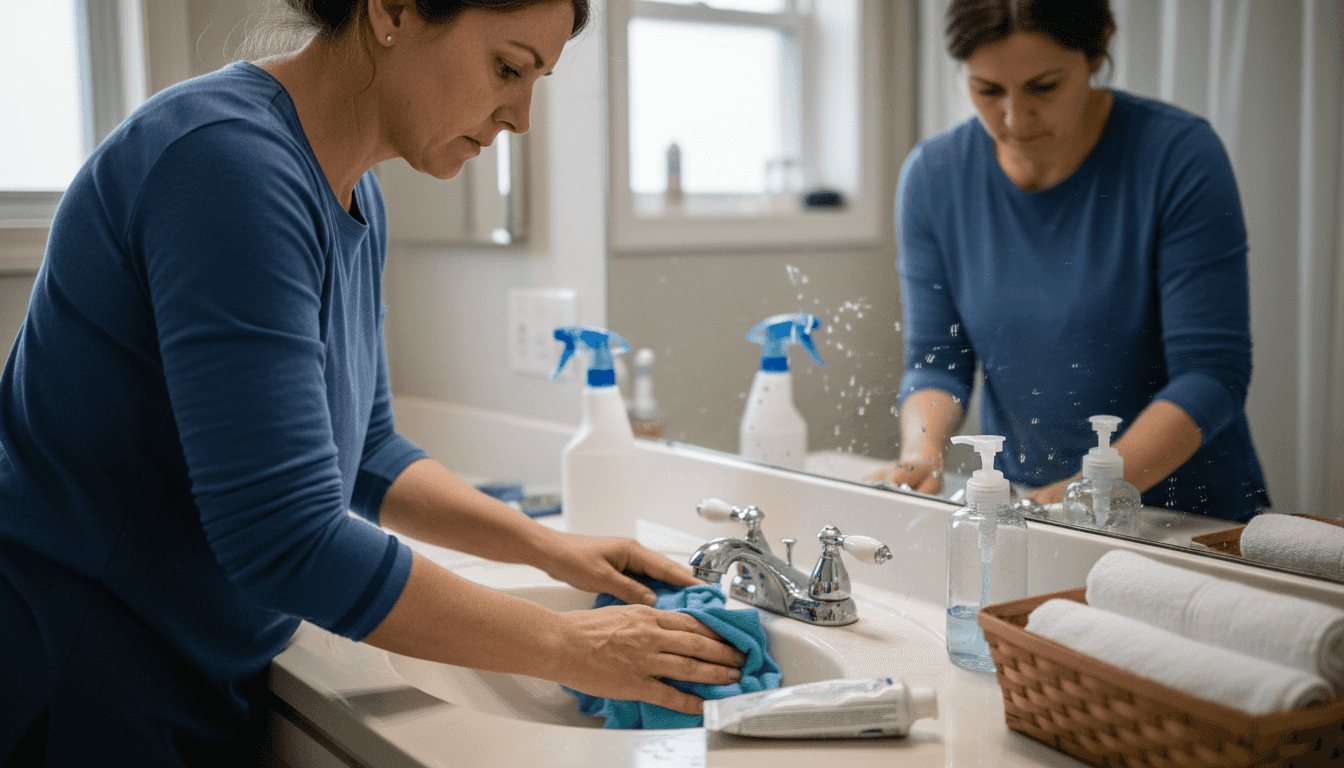
- Bathroom: tub and shower deep scrub, toilet sanitisation, tile and grout cleaning, mirror and fixture polishing
- Living spaces: baseboard wiping, air vent cleaning, upholstery vacuuming, light fixture dusting, behind furniture cleaning
- Bedrooms: mattress vacuuming, closet organisation area cleaning, window sill wiping, thorough dusting of all surfaces
Windows usually require separate cleaning services and are often excluded from standard deep cleaning packages. The house deep cleaning tasks can be extensive, so understanding what services include helps set accurate expectations. Following a step by step deep cleaning guide ensures no area gets overlooked.
Pro Tip: Declutter before scheduling deep cleaning to allow full access to all surfaces and improve cleaning efficiency. Moving items off counters, floors, and furniture gives cleaners unobstructed access to tackle grime effectively.
Health and hygiene benefits of deep cleaning
Deep cleaning delivers measurable health improvements by dramatically reducing indoor pollutants and pathogens. A one-time deep cleaning can eliminate up to 99% of bacteria and viruses from surfaces and reduce indoor allergens by 50%, significantly improving indoor air quality. This drastic reduction lowers infection risks and supports respiratory health for everyone in your household, especially children, elderly family members, and those with allergies or asthma.
Deep cleaning improves indoor air quality by removing dust, pet hair, mould, and allergens from carpets, upholstery, and hidden corners by up to 50%. These contaminants circulate through your home’s air, triggering allergy flare-ups and respiratory discomfort. Removing them creates a fresher, healthier breathing environment. Deep cleaning also prevents conditions favouring mould growth and pest infestations by eliminating food sources and moisture buildup.
“A one-time deep cleaning can eliminate up to 99% of bacteria and viruses from surfaces and reduce indoor allergens by 50%, significantly improving indoor air quality.”
The deep cleaning health benefits extend beyond immediate cleanliness to long-term wellness. Regular deep cleaning reduces the frequency and severity of allergy symptoms, lowers the risk of respiratory infections, and contributes to overall comfort and peace of mind. These health benefits of deep cleaning make it an essential investment for maintaining a safe home environment. Improved indoor air quality improvements directly correlate with fewer sick days and better quality of life for your family.
Comparison between regular cleaning and deep cleaning
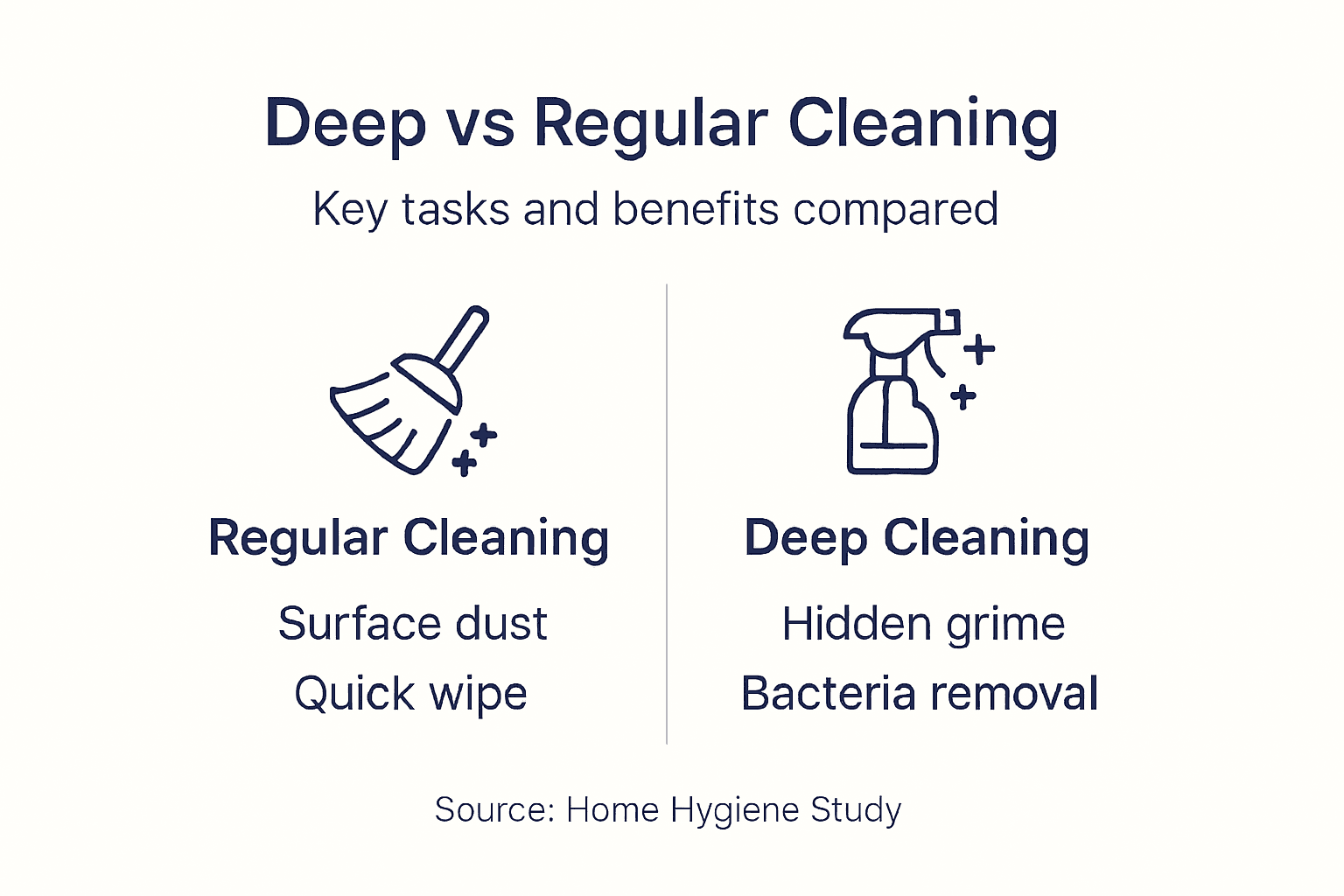
Understanding the practical differences between regular and deep cleaning helps you choose the right service for your needs and budget. Regular cleaning involves weekly or bi-weekly surface maintenance tasks like dusting, vacuuming, and wiping counters. Deep cleaning is less frequent, typically quarterly or biannually, but far more detailed and intensive.
Deep cleaning focuses on accumulated grime and neglected spots, whereas regular cleaning covers basic routine tasks like wiping surfaces and vacuuming. Deep cleaning requires significantly more time and effort than regular cleaning due to the need to access and sanitise hard-to-reach and hidden spaces. This investment yields superior hygiene and cleanliness that routine maintenance cannot achieve.
| Aspect | Regular Cleaning | Deep Cleaning |
|---|---|---|
| Frequency | Weekly or bi-weekly | Every 3 to 6 months |
| Tasks | Dusting, vacuuming, surface wiping, trash removal | Scrubbing grout, cleaning inside appliances, baseboard wiping, vent cleaning |
| Targeted Areas | Visible surfaces and floors | Hidden corners, behind appliances, high-touch points, neglected spots |
| Time Required | 1 to 3 hours | 4 to 8 hours or more |
| Outcome | Maintains surface tidiness | Removes deep-seated dirt, allergens, and bacteria |
Key practical differences:
- Regular cleaning keeps your home looking presentable day to day
- Deep cleaning restores hygiene and removes hidden health hazards
- Regular cleaning is suitable for ongoing maintenance between deep cleans
- Deep cleaning is essential for thorough sanitisation and allergen removal
The regular versus deep cleaning comparison shows that both play important roles in home care. Regular cleaning maintains order, while deep cleaning delivers the intensive care needed for a truly healthy environment. Combining both services creates an optimal cleaning routine.
When and why to schedule deep cleaning services
Scheduling deep cleaning at the right times maximises its benefits and keeps your home consistently healthy. Deep cleaning should be performed at least once every six months to maintain hygiene and prevent buildup of allergens and grime that may cause health issues. Many homeowners schedule deep cleaning in spring and autumn to align with seasonal changes and refresh their living spaces.
Ideal times to book deep cleaning include:
- Before hosting guests or special events to ensure your home looks and feels its best
- When moving into a new home or preparing to move out to start fresh or leave the property spotless
- Before signing up for regular cleaning contracts to establish a clean baseline
- After renovations or construction projects to remove dust and debris
- When allergy symptoms worsen, indicating accumulated allergens need removal
Kitchens and bathrooms often harbour more bacteria than other rooms; for example, kitchen sinks contain more bacteria than a toilet bowl, making deep cleaning essential in these areas. Focusing deep cleaning efforts on high-traffic and moisture-prone rooms delivers the greatest health impact. The scheduling deep cleaning guide helps you plan effectively around your household’s needs and schedule.
Preventative benefits include extending the lifespan of appliances and surfaces by removing buildup that causes wear and damage. Regular deep cleaning prevents costly repairs and keeps your home looking newer longer. Establishing a consistent schedule makes deep cleaning a manageable part of home maintenance rather than an overwhelming occasional task.
Common misconceptions about deep cleaning
Several myths about deep cleaning create confusion and unrealistic expectations. Clarifying these misconceptions helps you make informed decisions and avoid disappointment when booking services.
Common misconceptions include:
- Myth: Deep cleaning is just regular cleaning that takes longer. Deep cleaning involves different, more intensive tasks targeting hidden dirt and grime, not simply more time spent on routine tasks. The methods and focus areas differ significantly.
- Myth: Regular cleaning alone keeps a home truly clean. Regular cleaning maintains surface tidiness but cannot remove deep-seated allergens, bacteria, and grime that accumulate in hidden areas over time.
- Myth: All deep cleaning services include window cleaning. Window cleaning is frequently excluded from basic deep cleaning services and often requires special tools or an add-on service.
Understanding these distinctions prevents surprises and ensures you receive the services you expect. Many people assume deep cleaning covers every possible cleaning task, but services vary between providers. Always verify what specific tasks are included before booking. The window cleaning misconceptions highlight how specialty services often require separate arrangements.
Pro Tip: Always verify what services are included in your deep cleaning package to avoid unexpected exclusions. Ask providers for detailed task lists and clarify any items that seem unclear to ensure your expectations align with what will be delivered.
Practical benefits and long-term value of deep cleaning
Regular deep cleaning delivers practical advantages that extend far beyond immediate cleanliness. Deep cleaning prevents damage to home surfaces and appliances caused by grease, mould, and dust buildup, extending their lifespan and avoiding costly repairs. Removing corrosive grime from appliances like ovens, refrigerators, and dishwashers keeps them running efficiently and prevents premature breakdowns.
Maintaining a healthier indoor environment reduces allergies and respiratory issues for your family. Fewer allergens mean fewer sick days, less medication, and improved overall wellness. Deep cleaning also provides improved aesthetics and a comfortable living space that feels fresh and inviting. A thoroughly clean home enhances your quality of life and creates a more pleasant environment for daily activities and entertaining guests.
Long-term benefits include:
- Financial savings from extended appliance lifespans and avoided repairs
- Reduced healthcare costs related to allergies and respiratory problems
- Preserved property value by maintaining surfaces and finishes in good condition
- Enhanced comfort and peace of mind knowing your home is truly clean and healthy
The long-term benefits of deep cleaning make it a smart investment in your home and family’s wellbeing. Regular deep cleaning creates a positive cycle where your home stays cleaner longer between services, reducing overall maintenance burden. This proactive approach prevents problems before they escalate into expensive or health-threatening issues.
Pro Tip: Schedule deep cleaning regularly to maximise return on investment and home health. Setting recurring appointments every six months ensures you never let grime accumulate to problematic levels, making each cleaning session more effective and less labour-intensive.
ProClean services for deep cleaning in the Greater Vancouver Area
Maintaining a truly healthy home requires professional expertise and thorough attention to detail. ProClean offers comprehensive deep cleaning services tailored specifically for Greater Vancouver homes, delivering the intensive care your living space needs to stay fresh and hygienic.

Our team of fully insured and licensed cleaning professionals understands the unique challenges Vancouver homeowners face, from moisture-related mould concerns to urban dust accumulation. We follow a full range of deep cleaning tasks designed to eliminate 99% of bacteria and reduce allergens by 50%, just as research demonstrates. Our services cover every room in your home with meticulous attention to baseboards, vents, appliances, grout, and high-touch surfaces.
Scheduling is flexible and convenient, with availability seven days a week from 8 am to 8 pm across North Vancouver, West Vancouver, Richmond, Burnaby, Port Moody, Coquitlam, New Westminster, Surrey, White Rock, Langley, Maple Ridge, and Abbotsford. Experience the key benefits of professional deep cleaning by booking your service today and transforming your home into a healthier, more comfortable living environment.
Frequently asked questions
What is the difference between regular and deep cleaning?
Regular cleaning involves frequent surface maintenance such as dusting, vacuuming, and wiping counters to keep your home tidy. Deep cleaning targets accumulated grime and neglected spots that routine cleaning misses, including baseboards, grout, behind appliances, and air vents. Deep cleaning uses more intensive methods and covers hard-to-reach areas not addressed by routine maintenance, delivering superior hygiene and allergen removal.
How often should I schedule deep cleaning for my home?
Deep cleaning should be performed at least once every six months to maintain hygiene and prevent buildup of allergens and grime that may cause health issues. Additional cleanings might be needed before hosting guests, after renovations, when moving, or if allergy symptoms worsen. Kitchens and bathrooms benefit from more frequent attention due to higher bacteria levels.
Is window cleaning included in deep cleaning services?
Window cleaning is generally not included in standard deep cleaning packages. Window cleaning is frequently excluded from basic deep cleaning services and often requires special tools or an add-on service. Always verify with your cleaning provider what specific tasks are covered to avoid unexpected exclusions. Many companies offer window cleaning service details as a separate specialty service.
What health benefits does deep cleaning provide?
Deep cleaning eliminates up to 99% of bacteria and viruses from surfaces while reducing indoor allergens by 50%, significantly improving indoor air quality. This reduction lowers infection risks, supports respiratory health, and reduces allergy symptoms. Deep cleaning also prevents mould growth and pest infestations by removing moisture and food sources.
How long does a professional deep cleaning service take?
Professional deep cleaning typically requires four to eight hours or more, depending on your home’s size and condition. The process takes significantly longer than regular cleaning because it involves accessing hard-to-reach areas, scrubbing accumulated grime, and sanitising every surface thoroughly. Larger homes or properties with heavy buildup may require additional time or multiple visits to complete the service properly.