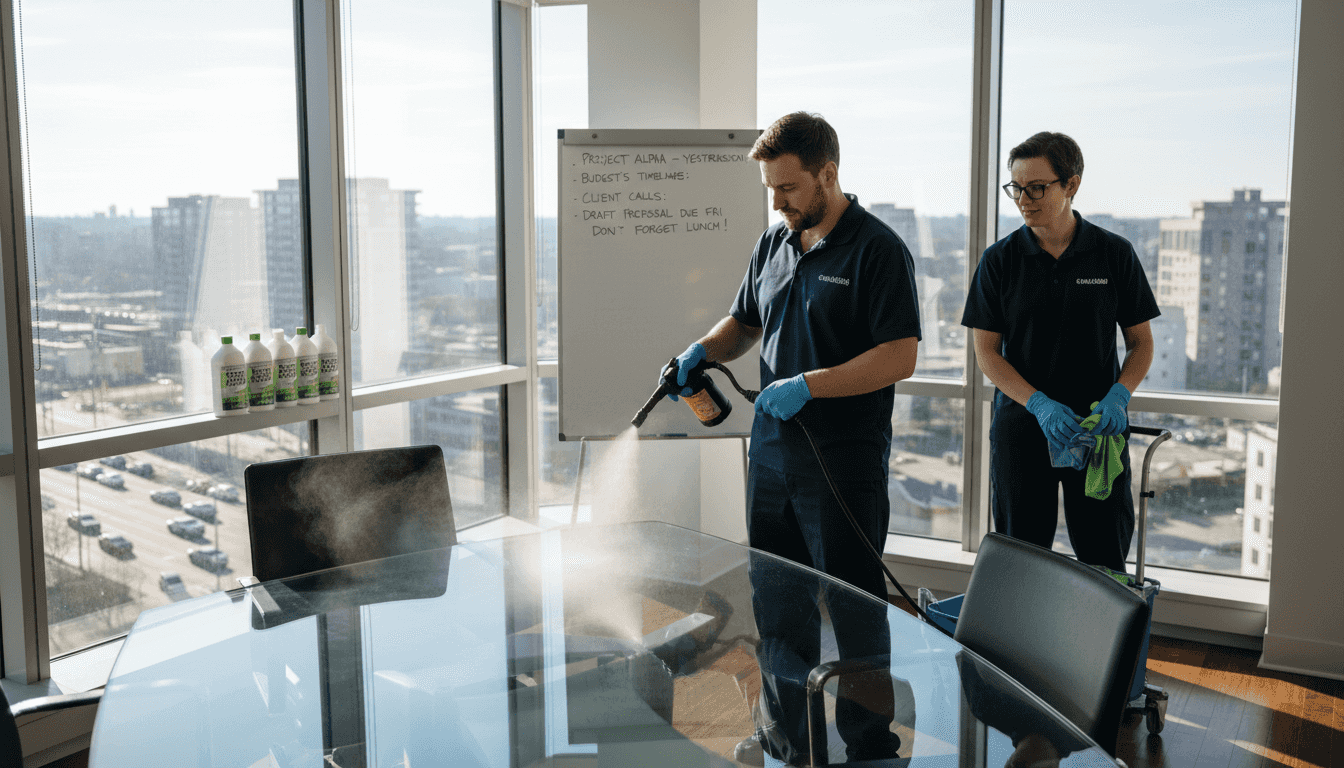

Finding professional cleaning methods that balance high effectiveness with eco-friendly practices has challenged BC homeowners and small businesses for years. Electrostatic sprayers can increase disinfectant coverage by 80% compared to traditional methods, transforming how we approach safe, thorough cleaning in 2026. These innovations deliver superior pathogen reduction while respecting environmental standards crucial to British Columbia’s regulations and climate.
Table of Contents
- Introduction To Professional Cleaning Methods In 2026
- Prerequisites: What You Need Before Starting Professional Cleaning
- Step-By-Step Professional Cleaning Workflows
- Common Mistakes And Troubleshooting In Professional Cleaning
- Expected Outcomes And Service Timelines
- Alternative Approaches And Tradeoffs
- Conclusion And Next Steps
- Discover Expert Cleaning Services Tailored For BC Homes & Offices
- Frequently Asked Questions
Key Takeaways
| Point | Details |
|---|---|
| Innovative Technologies | Electrostatic sprayers boost coverage by 80%, while UV-C light disinfection offers chemical-free pathogen elimination. |
| Preparation Essentials | Decluttering spaces and selecting EPA-approved eco-friendly products ensures efficient, safe cleaning outcomes. |
| Workflow Efficiency | Step-by-step processes using microfiber cloths and digital quality control improve cleaning effectiveness by 35-50%. |
| Common Mistakes | Chemical overuse damages 35% of surfaces; proper dilution and dwell times prevent this. |
| Scheduling Impact | Flexible appointment options increase satisfaction by 25% for busy homeowners and business owners. |
Introduction to Professional Cleaning Methods in 2026
Professional cleaning has evolved dramatically with technologies that merge effectiveness and sustainability. Electrostatic sprayers increase disinfectant coverage by 80% compared to traditional methods, allowing disinfectants to wrap uniformly around surfaces and reach hidden areas. UV-C light disinfection eliminates pathogens without chemicals, ideal for sensitive environments like daycares or medical offices.
Choosing EPA-approved, eco-friendly products matters more than ever. BC homeowners and small businesses face unique climate conditions with moisture and mold risks. Products formulated for safety and environmental compliance protect families, employees, and local ecosystems. Green certifications ensure cleaners meet rigorous standards without sacrificing performance.
These methods are especially relevant for BC properties. Coastal humidity encourages mold growth on exteriors, while indoor air quality concerns require non-toxic solutions. Professional services now integrate advanced equipment like HEPA-filter vacuums, microfiber systems, and digital checklists to verify quality. Understanding the benefits of professional cleaning helps you recognize how these innovations deliver measurable results.
Key Technologies Reshaping Cleaning in 2026:
- Electrostatic sprayers for uniform disinfectant application
- UV-C light systems for chemical-free pathogen kill
- Microfiber cloths offering 50% better dirt removal
- Digital quality assurance tools tracking service completion
“Electrostatic technology has revolutionized how we approach high-touch surface disinfection, ensuring no spot is missed while reducing chemical waste.”
These advancements set the foundation for smarter, safer cleaning practices tailored to your specific needs.
Prerequisites: What You Need Before Starting Professional Cleaning
Proper preparation maximizes the value of professional cleaning services. Decluttering allows cleaners to focus on deep sanitization rather than organizing belongings. Clear countertops, floors, and surfaces so professionals can apply advanced tools efficiently. Communicate any high-touch areas like doorknobs, light switches, or shared workspaces that need extra attention.
Identify sensitive surfaces requiring special care. Wood floors, granite countertops, and delicate fixtures need appropriate products to avoid damage. Request eco-friendly, non-toxic cleaners if you have children, pets, or allergies. Many services now offer green product lines as standard options.
Scheduling flexibility dramatically improves your experience. Flexible scheduling increases customer satisfaction scores by 25% by accommodating busy lifestyles. Evening or weekend appointments work best for occupied offices, while weekday mornings suit vacant homes. Discuss your preferences when selecting the right cleaning service to ensure seamless coordination.
Preparation Checklist:
- Remove clutter from floors, counters, and furniture
- Secure valuables and fragile items
- Note surfaces requiring gentle or specialized treatment
- Confirm appointment time and access instructions
- Request specific eco-friendly products if needed
| Preparation Task | Time Required | Impact on Cleaning Quality |
|---|---|---|
| Decluttering | 30-60 minutes | High: Allows thorough surface access |
| Identifying sensitive areas | 15 minutes | Medium: Prevents damage |
| Scheduling coordination | 10 minutes | High: Reduces delays |
| Product selection discussion | 5 minutes | Medium: Ensures safety preferences |
Pro Tip: Take photos of areas needing extra attention and share them with your cleaning team beforehand. Visual communication eliminates guesswork and ensures your priorities get addressed.
Step-by-Step Professional Cleaning Workflows
Effective cleaning follows a systematic approach integrating cutting-edge tools. Here’s how professional teams execute thorough, safe cleaning using 2026’s best practices.
-
Prepare the Space: Remove clutter and identify high-touch surfaces. Mark areas requiring special products or techniques. Ensure proper ventilation by opening windows or activating HVAC systems.
-
Disinfect High-Touch Surfaces: Apply disinfectants using electrostatic sprayers for 80% better coverage. Allow proper dwell time (typically 3-10 minutes depending on product) for pathogen elimination. UV-C light systems offer chemical-free alternatives for sensitive spaces.
-
Clean Interior Surfaces: Use microfiber cloths that provide 50% better dirt removal versus cotton cloths. Work from top to bottom, starting with ceiling fans and light fixtures, moving to countertops, then floors. HEPA-filter vacuums capture allergens and fine particles.
-
Address Exterior Surfaces: Pressure wash siding, decks, and walkways to remove mold, mildew, and accumulated grime. BC’s wet climate makes exterior cleaning essential for preventing long-term damage.
-
Verify Quality with Digital Tools: Modern services use digital checklists and photo documentation to confirm task completion. Real-time verification ensures no step gets skipped and provides accountability.
Workflow Timeline for Standard Residential Deep Clean:
| Phase | Duration | Key Activities |
|---|---|---|
| Preparation | 15-20 min | Declutter, identify priorities |
| Disinfection | 45-60 min | High-touch surfaces, dwell time |
| Interior cleaning | 90-120 min | Dusting, vacuuming, mopping |
| Exterior cleaning | 45-60 min | Pressure washing, window cleaning |
| Quality verification | 10-15 min | Digital checklist, client walkthrough |
Pro Tip: Request before and after photos for exterior cleaning. Visual proof shows exactly how much grime was removed and helps you track maintenance intervals. Professional cleaning workflows incorporate documentation as standard practice.
Common Mistakes and Troubleshooting in Professional Cleaning
Avoiding errors protects your property and ensures cleaning effectiveness. 35% of professional cleanings report surface damage due to chemical overuse, making proper product dilution critical. Always follow manufacturer instructions for concentration ratios. Stronger doesn’t mean better; excess chemicals leave residue and harm finishes.
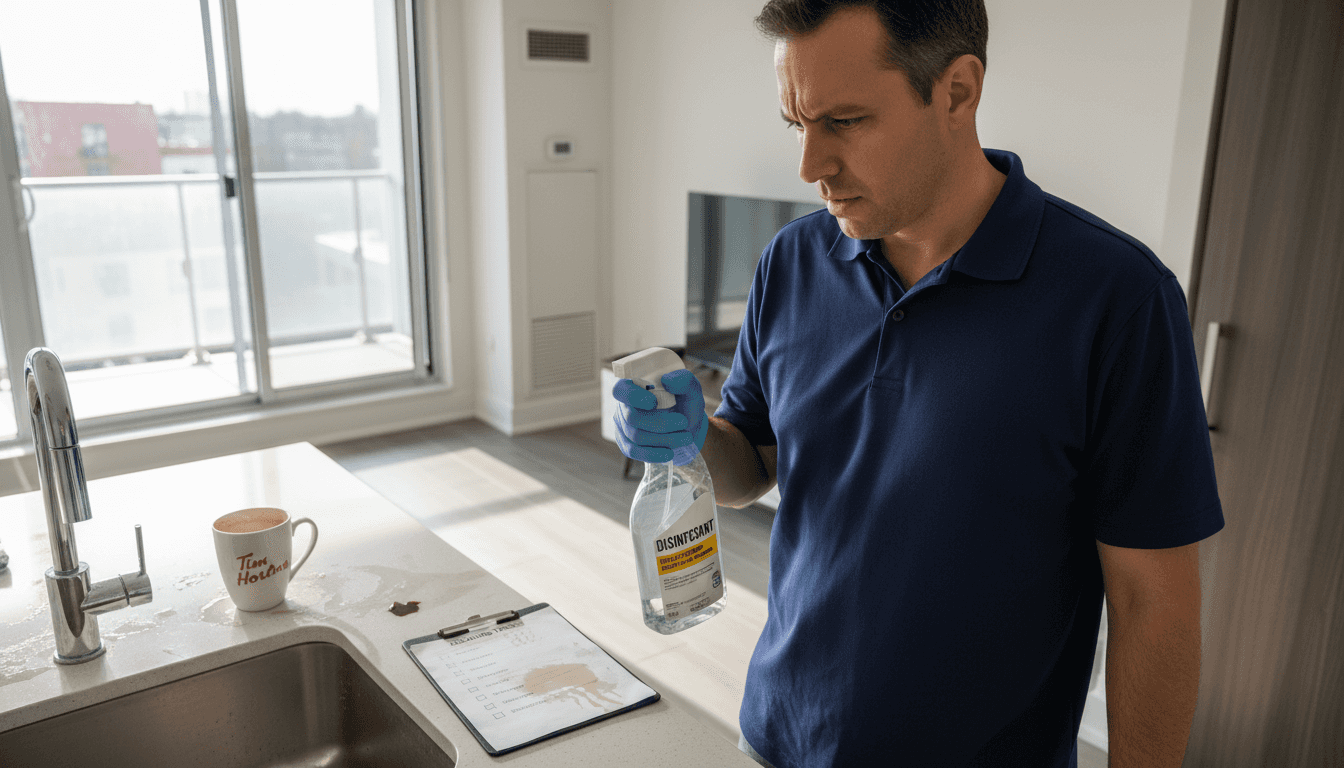
Insufficient disinfectant dwell time undermines pathogen elimination. If a product requires 5 minutes of contact, wiping immediately reduces effectiveness dramatically. Set timers to ensure compliance. This mistake happens frequently when cleaners rush through tasks.
Incorrect chemical mixing creates hazardous fumes, especially combining bleach with ammonia-based products. Use pre-mixed solutions or clearly labeled bottles to prevent dangerous reactions. Never experiment with product combinations.
Bleach damages wood surfaces, causing discoloration and degradation. Choose wood-safe alternatives like hydrogen peroxide-based cleaners for hardwood floors and furniture. Understanding common cleaning mistakes helps you communicate proper techniques to your cleaning team.
Troubleshooting Guide:
- Streaky windows: Use distilled water instead of tap water to eliminate mineral deposits
- Residue on floors: Reduce cleaner concentration or rinse with clean water
- Lingering odors: Increase ventilation and check for moisture issues causing mold
- Damaged grout: Avoid acidic cleaners on natural stone; use pH-neutral products
“The most common error we see is rushing through disinfectant dwell times. Patience during this phase makes the difference between surface cleanliness and true sanitization.”
Recognize that professional training matters. Licensed services understand material compatibility and safety protocols. Avoiding damage during cleaning requires expertise that comes from proper certification and experience. If you encounter persistent issues, consult resources on common cleaning errors and fixes for additional troubleshooting strategies.
Expected Outcomes and Service Timelines
Understanding realistic expectations helps you evaluate service quality. Average residential deep cleaning takes 3 to 5 hours depending on property size and condition. A 1,500 square foot home typically requires 3.5 hours, while larger properties or heavily soiled spaces need more time.
Flexible scheduling improves customer satisfaction by 25%, and thorough cleaning reduces pathogens by 80% when proper disinfection protocols are followed. You should also see approximately 30% reduction in indoor air pollutants after professional cleaning with HEPA filtration systems.
Costs vary by service scope and property characteristics. Deep cleaning generally runs higher than maintenance cleaning due to intensive labor and specialized products. However, regular maintenance scheduling often qualifies for volume discounts.
Zero surface damage incidents are achievable when professionals use appropriate products and techniques. Proper training and quality control systems prevent the 35% damage rate seen with improper chemical use. Digital verification tools document condition before and after service.
Outcome Benchmarks:
| Metric | Expected Result | Measurement Method |
|---|---|---|
| Pathogen reduction | 80% decrease | ATP testing (optional) |
| Air quality improvement | 30% pollutant reduction | Indoor air quality monitor |
| Service duration | 3-5 hours | Standard residential deep clean |
| Customer satisfaction | 25% increase | Post-service surveys |
| Surface damage incidents | 0% | Visual inspection, documentation |
These benchmarks help you assess whether services meet professional standards. Understanding cost and duration benchmarks allows you to compare quotes and identify exceptional value versus corner-cutting providers.
Alternative Approaches and Tradeoffs
Different cleaning methods offer distinct advantages. Chemical disinfection provides broad-spectrum pathogen kill with established protocols. UV-C light eliminates microorganisms without chemicals, perfect for chemical-sensitive environments, but requires trained operators to manage direct exposure risks.
Traditional spray bottles work for small areas but lack coverage uniformity. Electrostatic sprayers deliver faster application with 80% better coverage, reducing labor time and ensuring consistent disinfection across complex surfaces like furniture and equipment.
Cotton cleaning cloths cost less and are widely available. Microfiber cloths clean 50% better by trapping dirt in fibers rather than pushing it around. The investment pays off through superior results and reduced cleaning frequency.
Manual supervision relies on visual inspection and checklists. Digital quality assurance tools improve cleaning quality by 35% compared to manual supervision by tracking task completion, time stamps, and photographic evidence. This technology eliminates subjectivity and creates accountability.
Method Comparison:
| Approach | Effectiveness | Safety | Cost | Best For |
|---|---|---|---|---|
| Chemical disinfection | High | Moderate (proper use) | Low-Medium | General surfaces |
| UV-C light | High | High (trained use) | Medium-High | Chemical-sensitive areas |
| Traditional spray | Moderate | High | Low | Spot cleaning |
| Electrostatic spray | Very High | High | Medium | Large areas, thorough coverage |
| Cotton cloths | Moderate | High | Very Low | Basic dusting |
| Microfiber cloths | High | High | Low-Medium | All surface cleaning |
| Manual supervision | Variable | N/A | Low | Small teams |
| Digital checklists | High | N/A | Medium | Quality assurance |
Your choice depends on priorities. Budget-conscious clients may start with traditional methods and upgrade selectively. Health-focused environments benefit from UV-C and electrostatic technologies despite higher costs. Explore alternative cleaning techniques to find combinations that match your specific situation.
Conclusion and Next Steps
Professional cleaning in 2026 combines innovative technologies with eco-friendly practices to deliver superior results. Electrostatic sprayers, UV-C disinfection, and microfiber systems provide measurable improvements in coverage, pathogen reduction, and air quality. Proper preparation, adherence to workflows, and quality verification ensure you receive maximum value.
Avoiding common mistakes like chemical overuse and insufficient dwell times protects your property while optimizing cleaning effectiveness. Understanding alternative approaches helps you make informed decisions balancing cost, safety, and performance.
Partner with trusted professional cleaning services in BC that implement these advanced methods and maintain rigorous quality standards for your home or business.
Discover Expert Cleaning Services Tailored for BC Homes & Offices
Ready to experience cleaning methods that deliver 80% better coverage and safer environments? GetProClean brings the latest professional cleaning technologies directly to Vancouver-area homes and businesses. Our licensed teams use electrostatic sprayers, eco-friendly products, and digital quality control to ensure exceptional results every time.
We offer comprehensive expert cleaning services including deep cleaning, window cleaning, and pressure washing. Flexible scheduling seven days a week from 8 am to 8 pm accommodates your busy lifestyle. Our professionals understand BC’s unique climate challenges and apply proven techniques to protect and maintain your property.
Whether you need regular maintenance or specialized deep cleaning, our customized solutions match your specific requirements. Learn our recommended pressure washing tips for exterior surfaces or book your service today. Experience the difference that professional expertise and advanced technology make in creating healthier, cleaner spaces.
Frequently Asked Questions
What are the safest eco-friendly cleaning products approved for use in British Columbia?
EPA-approved green-certified products meet rigorous environmental and health standards while effectively eliminating common pathogens. Look for certifications like Green Seal or EcoLogo on product labels. Professional services in BC typically use hydrogen peroxide-based disinfectants, plant-derived surfactants, and biodegradable formulations that comply with provincial regulations. Avoid homemade cleaners unless you can verify their safety and pathogen-killing efficacy through testing.
How can I verify the quality of a professional cleaning service in 2026?
Request providers who use digital checklists and real-time quality control systems, which improve cleaning quality by 35% over manual supervision. Ask for documentation showing completed tasks, time stamps, and before-after photos. Reputable services provide transparent reporting and welcome client walkthroughs. Check for licensing, insurance, and certifications demonstrating professional training in modern cleaning technologies and safety protocols.
What are common scheduling options that increase customer satisfaction for cleaning services?
Flexible appointment windows including evenings, weekends, and customizable time slots accommodate busy homeowner and business schedules. Services offering same-day or next-day availability provide convenience for urgent needs. Recurring maintenance schedules with consistent teams build familiarity and trust. Flexible scheduling raises satisfaction scores by 25% by respecting your time constraints and lifestyle preferences.
Are UV-C light disinfection methods safe for homes and businesses?
UV-C light effectively kills pathogens including viruses and bacteria without chemicals, making it ideal for sensitive environments. However, direct UV-C exposure harms skin and eyes, so trained professionals must operate equipment with proper safety protocols. Rooms must be cleared of people, pets, and plants during treatment. Warning signs and locked access prevent accidental exposure. When used correctly by certified technicians, UV-C disinfection provides safe, chemical-free sanitization.
How often should BC homeowners schedule professional deep cleaning services?
Most BC homes benefit from deep cleaning every 3 to 6 months, with regular maintenance cleaning weekly or biweekly. Coastal properties facing moisture and mold risks may need quarterly deep cleans. Homes with pets, allergies, or high traffic require more frequent attention. Seasonal deep cleaning before and after wet winter months helps manage mold prevention. Consult with professional services to create a customized schedule based on your specific property conditions and lifestyle needs.