
How Long Does It Take to Clean an Office Building? What to Expect
Cleaning an office building can take anywhere from 1 hour to a full day or more, depending on the size of the space, the type of cleaning required, and how often the building is maintained. A small office may only need a short visit, while a large multi-floor workspace often requires a full team working several hours or overnight.
In short, cleaning time is shaped by square footage, layout, service type, and cleaning frequency. When you understand these factors, it becomes much easier to plan your schedule and choose the right service for your workplace.
What Determines How Long Office Cleaning Takes?
Office cleaning is not one-size-fits-all. Two offices of the same size can still require very different cleaning times based on how they are used and maintained.
Here are the main factors that affect cleaning time:
- Size of the office building
- Number of rooms, floors, and shared spaces
- Type of flooring and surfaces
- Level of dirt, dust, and buildup
- Cleaning frequency
- Special services like disinfection or deep cleaning
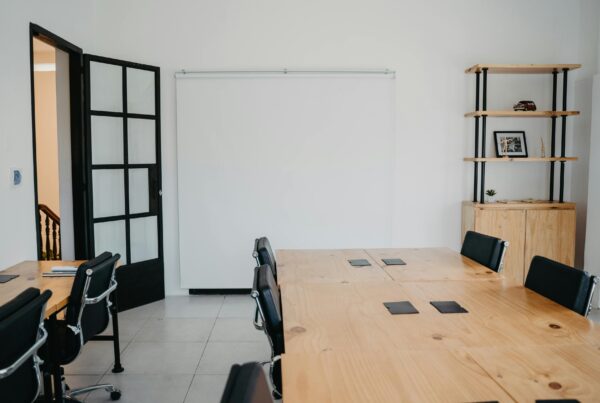
For example, an open workspace with minimal furniture is usually easier to clean than an office with multiple meeting rooms, kitchens, and restrooms that require more detailed attention.
Average Cleaning Time by Office Size
Small Offices (Up to 2,000 sq ft)
Small offices typically take 1 to 3 hours to clean. This includes routine tasks that maintain a clean and usable workspace.
Common tasks include:
- Dusting desks and surfaces
- Vacuuming or mopping floors
- Cleaning restrooms
- Emptying trash bins
A single cleaner or a small team can usually complete this efficiently.
Medium Offices (2,000 to 10,000 sq ft)
Medium-sized offices usually take 3 to 6 hours, depending on layout and usage. These spaces often include multiple rooms and shared areas that require more coordination.
Cleaning often includes:
- Workstations and desks
- Break rooms or kitchens
- Meeting rooms
- Larger restrooms
A team of 2 to 4 cleaners is typically assigned to maintain efficiency and consistency.
Large Offices (10,000+ sq ft)
Large office buildings can take 6 hours or more, up to a full day. These spaces often require structured planning and a larger team.
Tasks often include:
- Cleaning multiple floors
- Maintaining lobbies and reception areas
- Servicing elevators and stairwells
- Managing high-traffic zones
These jobs are often scheduled after office hours to avoid disruptions.
Types of Office Cleaning and Their Time Requirements
Standard Office Cleaning
Standard cleaning focuses on daily maintenance. It is the fastest type of service because it deals with light maintenance tasks.
This includes:
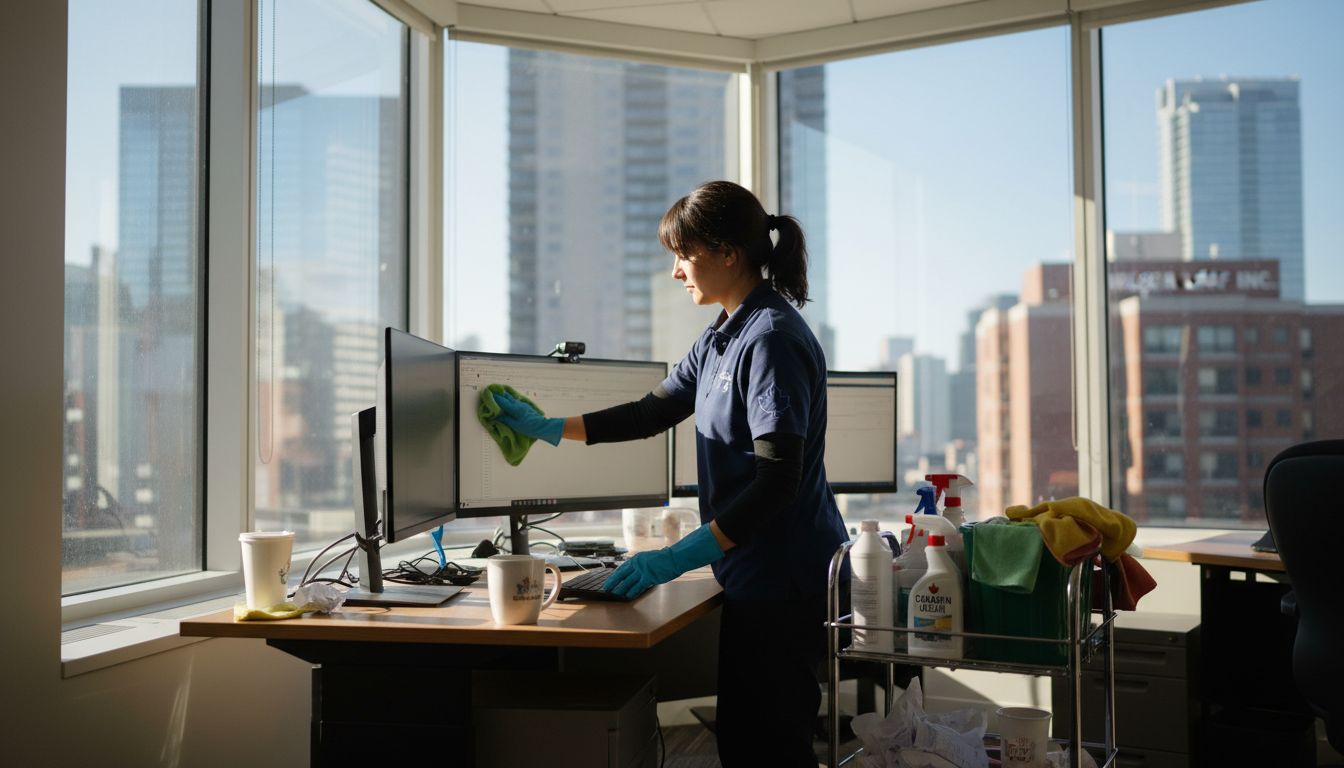
- Surface cleaning and dusting
- Floor care, such as vacuuming and mopping
- Restroom cleaning
- Trash removal
This type of service keeps the office consistently clean with minimal time required per visit.
Deep Cleaning
A deep clean takes longer because it targets areas not included in regular cleaning. It is more detailed and thorough.
This includes:
- Baseboards and vents
- Behind and under furniture
- Detailed kitchen and restroom cleaning
- Hard-to-reach areas
Think of a deep clean as a reset for your workspace. It helps bring everything back to a manageable condition.
Post-Construction Cleaning
Post-construction cleaning requires the most time. Fine dust settles on every surface and needs careful removal.
This includes:
- Dust removal from all surfaces
- Cleaning vents, fixtures, and lighting
- Window and glass cleaning
- Debris removal
This type of cleaning is detailed and often done in stages.
How Cleaning Frequency Affects Time
Cleaning frequency plays a major role in how long each visit takes.
- Daily cleaning keeps buildup low and reduces cleaning time
- Weekly cleaning takes longer due to accumulated dust and use
- One-time cleaning usually takes the longest because everything needs attention
Recurring cleaning works like regular maintenance. It prevents problems from building up and keeps each visit efficient.
How Office Layout Impacts Cleaning Time
The layout of your office can either speed up or slow down the cleaning process.
- Open layouts are faster to clean
- Offices with many rooms take longer
- Glass walls and partitions need extra care
- Carpeted areas may require more detailed work
For example, a shared workspace with open desks is easier to clean than a traditional office with multiple enclosed offices.
The Role of Employee Activity
The number of people using the office directly affects cleaning time.
More employees usually mean:
- More trash and recycling
- More restroom use
- More spills and messes
- Higher traffic in shared areas
Even if two offices are the same size, the one with more activity will take longer to clean.
Special Services That Add Time
Some offices require additional services that increase cleaning time. These services are often scheduled separately or added as needed.
Examples include:
- Disinfection and sanitizing
- Carpet cleaning or shampooing
- Interior window cleaning
- Floor polishing
- Appliance cleaning in kitchens
Each added service extends the overall cleaning time, but improves the final result.
What Is Included in a Typical Office Cleaning
Understanding what is included helps you set clear expectations and timelines.
Standard Cleaning Tasks
- Dusting desks, shelves, and surfaces
- Vacuuming carpets
- Sweeping and mopping floors
- Cleaning restrooms
- Emptying trash and recycling
- Wiping high-touch areas
Deep Cleaning Tasks
- Cleaning baseboards and vents
- Removing buildup in kitchens and restrooms
- Detailed dusting of all surfaces
- Cleaning behind furniture
- Spot cleaning walls
Post-Construction Tasks
- Removing fine dust from surfaces
- Cleaning fixtures and vents
- Washing glass and windows
- Removing debris
How Professional Teams Work Efficiently
Professional cleaning teams follow a structured approach to complete jobs efficiently without sacrificing quality.
Team-Based Approach
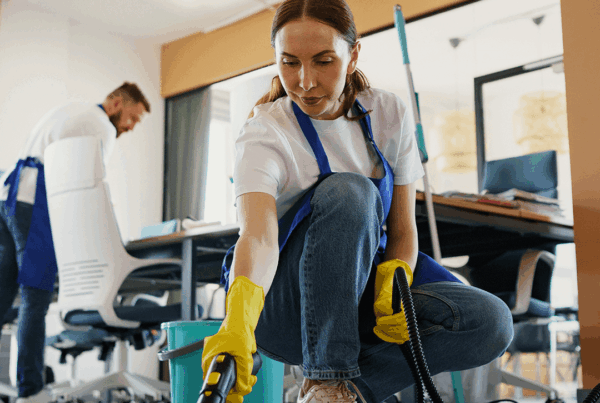
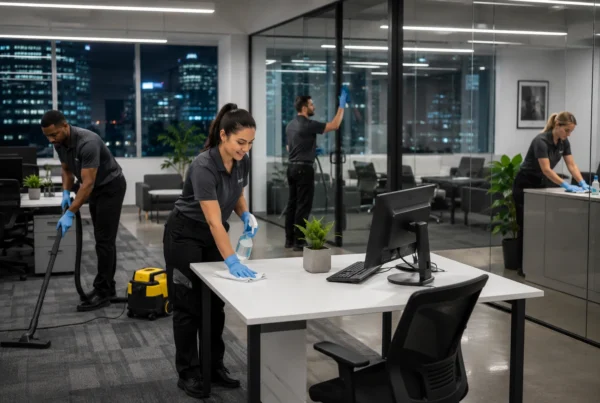
Tasks are divided among team members to speed up the process. One cleaner may handle restrooms while another focuses on floors or surfaces.
This approach reduces overall time and improves consistency.
Professional Equipment
Commercial tools allow cleaners to work faster and more effectively.
Examples include:
- High-capacity vacuums
- Microfiber systems for dust control
- Floor machines for large areas
This means better results in less time.
Cleaning Checklists
Checklists help ensure that no task is missed. They also make it easier to maintain consistent quality across visits.
Typical Office Cleaning Schedules
Daily Cleaning
Best for high-traffic offices. It focuses on essential tasks like trash removal, surface cleaning, and restroom maintenance.
Weekly Cleaning
Suitable for smaller or lower-traffic offices. It includes more detailed tasks than daily cleaning.
Monthly or Deep Cleaning
This focuses on areas that are not cleaned regularly. It takes longer, but it helps maintain the office’s overall condition.
How to Estimate Cleaning Time for Your Office
You can estimate cleaning time by following a simple process:
- Measure your office size
- Identify the type of cleaning required
- Decide how often cleaning is needed
- Consider any additional services
As a general guide:
- Small office: 1 to 3 hours
- Medium office: 3 to 6 hours
- Large office: 6 hours or more
Add extra time for deep cleaning or specialized services.
Why Many Businesses Choose Professional Cleaning
Managing cleaning in-house can be time-consuming and inconsistent, especially as your office grows. This is why many businesses rely on Office Cleaning Services to maintain a clean and professional environment without disrupting daily operations.
Professional teams follow structured systems, bring their own equipment, and adjust the cleaning plan based on your space. This means you get reliable results without having to manage the details yourself.
What to Expect When Hiring ProClean
When you work with ProClean, the process is designed to be simple and reliable.
Initial Assessment
The team reviews your office size, layout, and cleaning needs. This helps create an accurate plan.
Customized Cleaning Plan
Every office is different. The cleaning plan is adjusted based on your space and priorities.
Clear Scheduling
You will know when the team arrives and how long the service will take. This helps you plan around your operations.
Consistent Results
A structured process ensures your office stays clean and organized over time.
Tips to Reduce Office Cleaning Time
You can help make cleaning more efficient with a few simple steps.
Keep Workspaces Organized
Clutter slows down cleaning. Clear desks make it easier to clean surfaces.
Schedule Regular Cleaning
Frequent cleaning prevents buildup and reduces cleaning time.
Communicate Your Needs
Let the cleaning team know if certain areas need extra attention.
Prepare the Space
Simple preparations, such as cleaning surfaces, can help speed up the process.
Why Office Cleaning Time Matters
Cleaning is not only about appearance. It also affects:
- Employee productivity
- Workplace health
- Client impressions
A clean office supports a better work environment and helps your team stay focused.
FAQs
How long does it take to clean a small office?
A small office usually takes 1 to 3 hours to clean, depending on its layout and level of use. If the space is cleaned regularly, the process is usually faster because there is less buildup. Additional services, such as deep cleaning or window cleaning, may increase the total time required.
Does deep cleaning take longer than regular cleaning?
Yes, deep cleaning takes more time because it focuses on areas that are not covered during routine cleaning. This includes baseboards, vents, and spaces behind furniture that require more detailed work. While it takes longer, it helps reset the space and makes regular cleaning more efficient afterward.
How often should an office be cleaned?
The ideal cleaning frequency depends on how busy the office is and how the space is used. High-traffic offices often benefit from daily cleaning, while smaller offices may only need weekly service. Regular cleaning helps maintain a consistent level of cleanliness and reduces the time required per visit.
Can office cleaning be done after business hours?
Yes, most professional cleaning services offer flexible scheduling, including evenings and overnight cleaning. This allows cleaning to be completed without interrupting daily operations. It also ensures that the office is clean and ready for the next workday.
What happens if something is missed during cleaning?
If anything is missed, you can contact the cleaning team to address it. Most professional services will return to fix the problem as part of their service commitment. Clear communication helps ensure consistent results and customer satisfaction.
Final Thoughts
Office cleaning time depends on several factors, but having the right approach makes a big difference. Whether you manage cleaning in-house or hire professionals, understanding the process helps you plan better and avoid unnecessary delays.
If you want a clean, well-maintained office without spending extra time coordinating or handling it yourself, reach out to ProClean today and let our office cleaning services take care of it for you.
Follow us on our socials here:
Find out more articles that can help you below: