

Why Microfiber Cloths Might Be the Best Tool for Streak-Free Windows
If you have ever finished cleaning your windows only to step back and see streaks, lint, or cloudy marks, you are not alone. Many people ask the same question when trying to improve their results: Are microfiber cloths good for cleaning windows?
The short answer is yes. Microfiber cloths are one of the most effective and safest tools for cleaning windows when used correctly. They remove dirt, dust, and smudges without scratching glass or leaving behind lint. That is why professional cleaners rely on them for both residential and commercial window cleaning.
In this guide, we will explain how microfiber cloths work, why they outperform traditional cleaning tools, how to use them properly, and when professional window cleaning services may still be the better option.
What Are Microfiber Cloths?
 Microfiber cloths are made from extremely fine synthetic fibers, usually a blend of polyester and polyamide. These fibers are much thinner than a human hair, which allows them to trap dirt, dust, and moisture instead of pushing it around.
Unlike paper towels or cotton rags, microfiber cloths are designed to grab and hold debris. This makes them especially effective for cleaning smooth surfaces like windows, mirrors, and glass doors.
Because of their structure, microfiber cloths can clean effectively with just water, although a gentle window cleaner can be used for tougher grime.
Why Microfiber Cloths Work So Well on Windows
Microfiber cloths offer several advantages that make them ideal for window cleaning.
They do not leave lint behind. Paper towels and old clothes often shed fibers, which stick to the glass and create streaks. Microfiber cloths are lint-free when clean and properly maintained.
They absorb moisture efficiently. Microfiber can hold several times its weight in water, allowing it to remove moisture without dripping or smearing.
They lift dirt instead of spreading it. The tiny fibers pull dust and grease away from the glass rather than moving it across the surface.
They are gentle on glass. Microfiber does not scratch windows, making it safe for delicate glass surfaces.
These qualities make microfiber cloths a preferred choice for streak-free window cleaning.
Microfiber Cloths vs Other Window Cleaning Tools
Many people still use paper towels, newspaper, or cotton rags to clean windows. While these tools can work in some cases, they often create more problems than they solve.
Paper towels tend to leave lint and streaks, especially when they become wet. A newspaper can work, but it may leave ink residue and is less consistent. Cotton rags often push dirt around instead of lifting it.
Microfiber cloths are more reliable, reusable, and environmentally friendly. With proper care, one cloth can be used many times without losing effectiveness.
How to Use Microfiber Cloths for Best Results
Using microfiber cloths correctly makes a big difference in how clean your windows look. Technique matters just as much as the cloth itself.
Choose a Clean Cloth
Always start with a clean microfiber cloth. If the cloth has been used on greasy surfaces or floors, it may leave smears on the glass. Keeping a few clothes reserved only for window cleaning is a smart habit.
Lightly Dampen the Cloth
Microfiber works best when slightly damp. Lightly mist the cloth with water or a mild window cleaner. Avoid soaking it, as excess moisture can cause streaks.
For lightly dirty windows, water alone is often enough. For fingerprints or sticky residue, a gentle cleaner can help.
Wipe With Smooth, Controlled Motions
Use slow, even strokes instead of quick or random wiping. Many professionals recommend an S-shaped motion because it distributes moisture evenly and reduces streaks.
Start at the top of the window and work your way down. This prevents drips from running over areas you have already cleaned.
Buff With a Dry Microfiber Cloth
After wiping the window, switch to a second dry microfiber cloth. This step removes any remaining moisture and leaves the glass clear and polished.
Use light pressure and take your time. This final buffing step is key to achieving streak-free results.
Clean at the Right Time of Day
Avoid cleaning windows in direct sunlight. Heat causes water or cleaner to dry too quickly, which leads to streaks.
Cloudy days or shaded areas are ideal for window cleaning.
Common Mistakes People Make With Microfiber Cloths
Even though microfiber cloths are easy to use, a few common mistakes can affect results.
Using dirty clothes is one of the biggest issues. Always wash microfiber cloths after use and avoid fabric softeners, which coat the fibers and reduce effectiveness.
Using too much cleaning solution can also cause streaks. Microfiber needs very little liquid to work well.
Applying too much pressure is another mistake. Let the cloth do the work instead of scrubbing hard.
Avoid using one cloth for everything. Mixing kitchen grease and window cleaning leads to poor results.
How Often Should You Clean Windows?
For most homes, interior windows should be cleaned every one to two months. Exterior windows may need more frequent cleaning depending on the weather, pollen, and dust levels.
Homes near busy roads or construction sites often need more regular window cleaning. Using microfiber cloths makes it easier to maintain clean windows between deeper cleanings.
Are Microfiber Cloths Enough for All Window Cleaning?
Microfiber cloths work very well for routine window cleaning and interior glass. However, they may not always be enough for heavily soiled exterior windows or hard-to-reach areas.
Large windows, high windows, and windows with built-up grime may require professional tools such as squeegees, extension poles, and specialized cleaners.
If you find yourself struggling to get results or feeling unsafe reaching high windows, professional window cleaning services are a better choice.
When to Hire Professional Window Cleaning Services
Professional cleaners bring experience, proper equipment, and techniques that ensure spotless results without risk of damage or injury.
Hiring professionals is a smart option if you have large homes, multi-story buildings, or windows that have not been cleaned in a long time. It also saves time and effort while delivering consistent results.
Final Thoughts
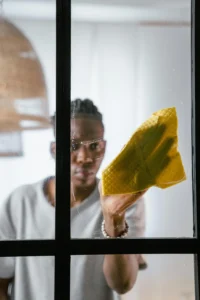
So, are microfiber cloths good for cleaning windows? Absolutely. When used correctly, they are one of the best tools for achieving streak-free, clear glass. They are gentle, effective, reusable, and easy to use.
With the right technique and proper care, microfiber cloths can keep your windows looking bright and clean between professional cleanings.
If you want perfectly clean windows without the hassle, ProClean’s House Cleaning Surrey Services is here to help. Our professional cleaners use proven tools and techniques to deliver spotless results every time.
To schedule your window or house cleaning service, contact us now. Let us take care of the cleaning so you can enjoy a cleaner, brighter home.
Follow us on our socials here:
Find out more articles that can help you below: