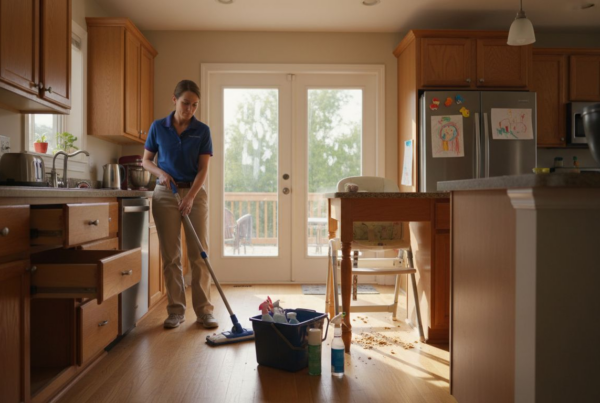

Most homeowners waste time and miss critical tasks without a structured approach to cleaning. Studies show that using a checklist improves cleaning thoroughness by 30% and reduces household dust by up to 60%. This guide provides a step-by-step house cleaning checklist tailored for Vancouver homeowners, helping you maintain a spotless, healthier home efficiently.
Table of Contents
- Introduction To The House Cleaning Checklist
- What You Need Before You Start: Tools And Supplies
- Step-By-Step Cleaning Tasks In Logical Order
- Common Cleaning Mistakes And How To Avoid Them
- Safety Considerations And Warnings
- Alternative Cleaning Methods And Their Tradeoffs
- Expected Results And How To Measure Success
- Discover Proclean’s Expert Cleaning Solutions
- Frequently Asked Questions
Key Takeaways
| Point | Details |
|---|---|
| Checklists boost thoroughness | Using a structured checklist increases cleaning task completion by 30% |
| Essential tools matter | HEPA vacuums and microfiber cloths are critical for capturing allergens |
| Avoid common mistakes | Reusing cloths across rooms spreads bacteria; separate cloths per room |
| Safety is paramount | Never mix bleach with ammonia to avoid toxic fumes and surface damage |
| Routine cleaning pays off | Regular cleaning reduces dust by 40-60% and improves indoor air quality |
Introduction to the House Cleaning Checklist
A structured cleaning checklist transforms how you maintain your home. Without one, you’ll likely overlook critical tasks or spend time inefficiently. Research from Smart Cleaning Hacks for Busy Vancouver Residents | ProClean confirms that checklists improve thoroughness by 30%.
Flexible schedules tailored to your lifestyle increase adherence by 25%. Instead of rigid daily demands, organize tasks by frequency to prevent overload. This approach keeps your home consistently clean without overwhelming your schedule.
Consider these frequency categories:
- Daily tasks: High-touch surfaces, dishes, countertops
- Weekly tasks: Vacuuming, mopping, bathroom deep clean
- Monthly tasks: Baseboards, light fixtures, window treatments
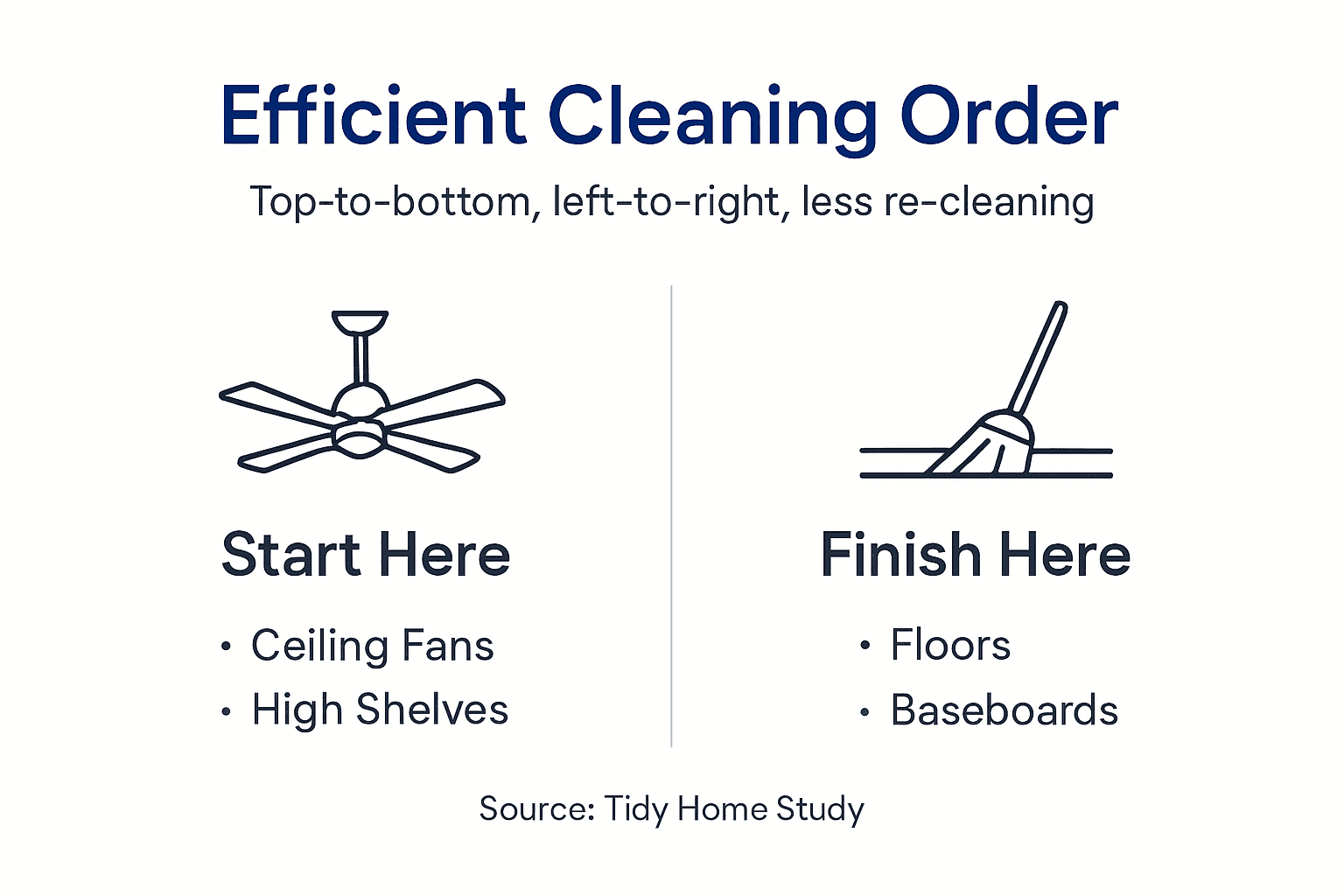
The top-to-bottom, left-to-right approach maximizes efficiency by preventing re-cleaning. Start with ceiling fans and high shelves, working downward to floors last. This method ensures dust and debris settle where you haven’t cleaned yet.
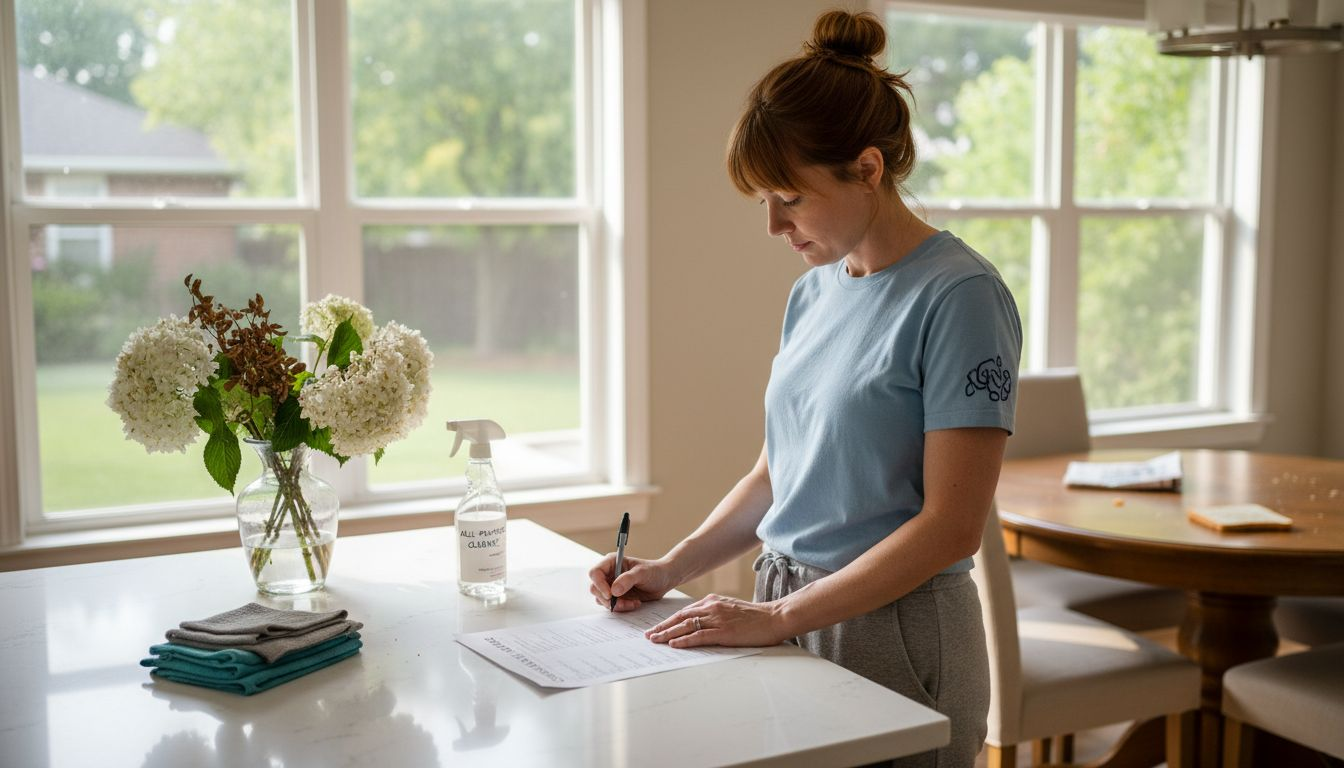
Pro Tip: Track your checklist progress using a simple app or printed sheet. Visual confirmation of completed tasks maintains motivation and helps identify areas you consistently miss.
What You Need Before You Start: Tools and Supplies
Proper tools make cleaning faster and more effective. Investing in quality supplies upfront saves time and delivers better results. According to Where to Begin Cleaning a Messy House? | ProClean, proper product selection significantly improves cleaning outcomes.
Your essential cleaning toolkit should include:
- HEPA vacuum cleaner for capturing fine dust and allergens
- Multiple microfiber cloths (minimum 10 for different rooms)
- Mop and bucket with wringer
- Rubber gloves for chemical protection
- All-purpose cleaner and disinfectant
- Scrub brushes in various sizes
- Squeegee for windows and glass
- Adequate ventilation equipment (fans or open windows)
| Tool | Primary Use | Key Benefit |
|---|---|---|
| HEPA Vacuum | Floors, upholstery, baseboards | Captures 99.97% of particles |
| Microfiber Cloths | All surfaces | Reduces bacterial spread when clean |
| All-Purpose Cleaner | Counters, walls, appliances | Versatile, cost-effective |
| Disinfectant | High-touch surfaces | Kills viruses and bacteria |
HEPA vacuums capture fine dust particles that standard vacuums recirculate into your air. This feature is particularly valuable for Vancouver homes dealing with seasonal allergens.
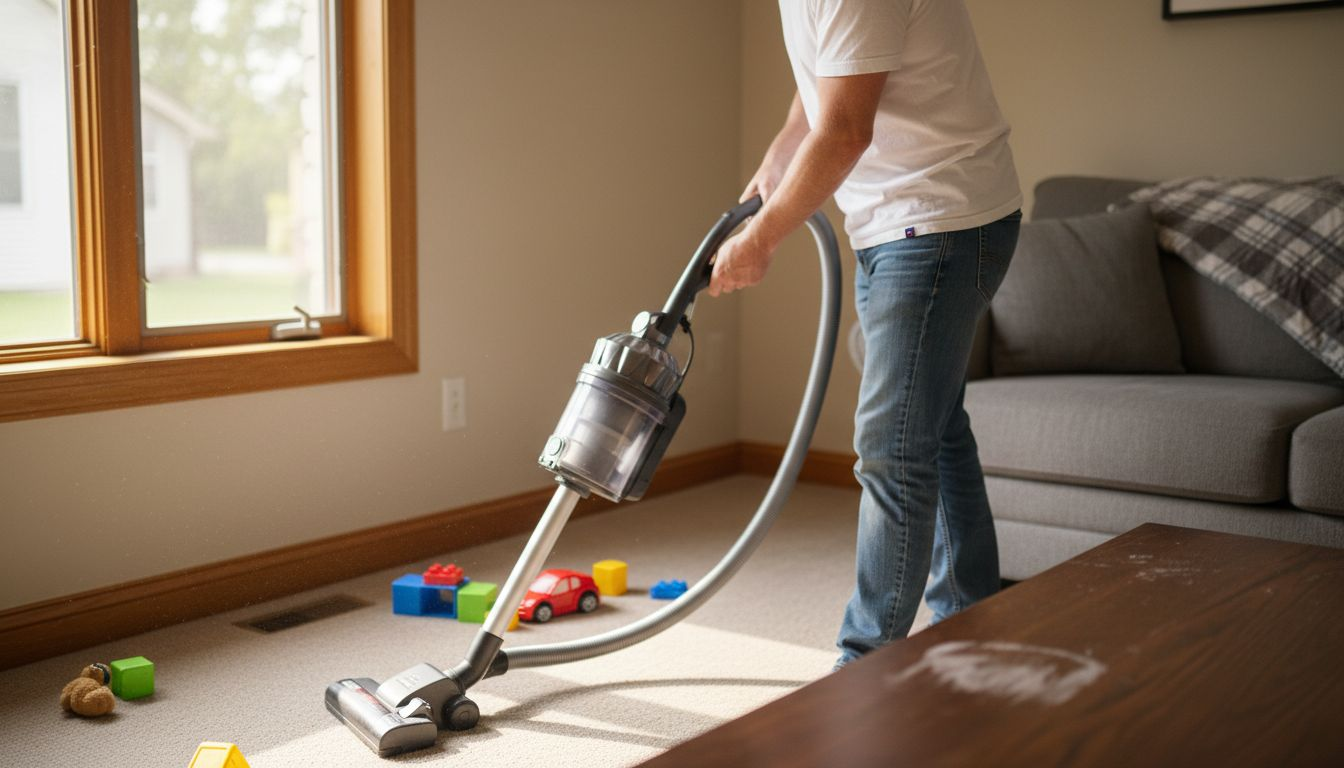
Microfiber cloths reduce bacterial spread when properly maintained. The key phrase is “properly maintained” because dirty cloths spread more bacteria than they remove.
Pro Tip: Label your microfiber cloths by room or purpose using permanent marker. This simple system prevents cross-contamination between bathrooms and kitchens.
Step-by-Step Cleaning Tasks in Logical Order
Following a logical sequence prevents wasted effort and ensures thorough coverage. This systematic approach, detailed in our cleaning schedule and tasks guide, optimizes your time while maximizing results.
- Start at the highest points in each room (ceiling fans, top shelves, light fixtures)
- Work left to right across walls, wiping down switches and outlets
- Clean windows and mirrors using streak-free technique
- Address furniture surfaces and decorative items
- Tackle high-touch areas (doorknobs, light switches, remote controls)
- Vacuum upholstery and under furniture
- Finish with floor vacuuming and mopping
This top-to-bottom progression ensures that dust and debris dislodged from upper surfaces land on areas you haven’t cleaned yet. Vacuuming and mopping last collects everything that has fallen.
Establish a 7-day cleaning cycle for routine tasks and reserve monthly sessions for intensive deep cleaning. How Often Should You Clean Your House? | ProClean Best Guide indicates routine cleaning averages 90 minutes, while deep cleaning requires about 4 hours.
| Task Frequency | Specific Tasks | Average Duration |
|---|---|---|
| Daily | Dishes, counters, high-touch surfaces | 15-20 minutes |
| Weekly | Vacuum, mop, bathrooms, dusting | 60-90 minutes |
| Monthly | Baseboards, vents, inside appliances | 3-4 hours |
Include specific high-touch surfaces in your checklist to prevent allergen buildup. Light switches, doorknobs, faucet handles, and remote controls harbor concentrated bacteria and require weekly attention.
Common Cleaning Mistakes and How to Avoid Them
Even experienced cleaners make errors that undermine their efforts. Recognizing these mistakes helps you achieve better results with less frustration.
Using the same cloth across multiple rooms without washing spreads bacteria instead of removing it. Studies cited in Small Space Living | Apartment Cleaning Hacks | ProClean show improperly maintained microfiber cloths spread bacteria up to 70% of the time. The solution is straightforward: use separate cloths per room or wash microfiber cloths at 60°C between uses.
Not allowing cleaning products sufficient dwell time reduces their effectiveness dramatically. Most disinfectants require 3-10 minutes of contact time to kill pathogens. Spraying and immediately wiping wastes product and leaves surfaces improperly sanitized.
Neglecting high-touch surfaces increases allergen buildup and pathogen transmission. These areas require more frequent attention than decorative surfaces.
Key fixes to implement immediately:
- Assign color-coded cloths to specific rooms
- Set phone timers for product dwell times
- Create a separate high-touch surface checklist
- Wash all cleaning cloths at 60°C after each use
- Replace worn microfiber cloths every 3-6 months
Pro Tip: Set a 5-minute timer after applying cleaners to bathroom surfaces. This ensures adequate dwell time while you clean another area, preventing the temptation to wipe too quickly.
Safety Considerations and Warnings
Cleaning chemicals pose real hazards when misused. Protecting yourself and your home requires understanding proper handling procedures.
Never mix bleach with ammonia or acids. This combination produces toxic chloramine gas that causes respiratory damage and can be fatal in enclosed spaces. Many common cleaners contain ammonia, making accidental mixing easier than you might expect.
Always ensure excellent ventilation when using bleach or other strong chemicals. Open windows, run exhaust fans, and consider using a portable fan to increase air circulation. Poor ventilation concentrates fumes and increases health risks.
Wear rubber gloves to protect your skin from chemical irritants. Even diluted cleaners cause skin dryness, cracking, and dermatitis with repeated exposure.
Use bleach only on compatible surfaces. Bleach Safety: How to Use It Properly at Home warns that improper use damages surfaces and creates harmful fumes. Bleach corrodes metal, discolors fabrics, and degrades certain plastics.
The CDC reports thousands of emergency room visits annually related to improper bleach use. Most incidents involve mixing bleach with other cleaners or using it in poorly ventilated spaces. Proper dilution (typically 1/3 cup bleach per gallon of water) and adequate ventilation prevent most accidents.
Store all cleaning products in original containers with intact labels. Keep them away from children and pets in a cool, dry location away from direct sunlight.
Alternative Cleaning Methods and Their Tradeoffs
Natural cleaning methods appeal to homeowners seeking reduced chemical exposure. Understanding their benefits and limitations helps you make informed choices.
Natural cleaners like vinegar and baking soda effectively remove dirt and grime with minimal health risks. Vinegar’s acidity dissolves mineral deposits and cuts through grease. Baking soda provides gentle abrasive action without scratching surfaces.
However, these alternatives require longer contact times and more mechanical effort. Scrubbing compensates for lower chemical strength. Natural cleaners also prove less effective at killing viruses compared to chemical disinfectants.
| Cleaner Type | Speed | Disinfection Power | Safety | Best Use |
|---|---|---|---|---|
| Chemical | Fast | High | Requires caution | High-touch surfaces, bathrooms |
| Natural | Moderate | Low to moderate | Very safe | General cleaning, kitchens |
| Steam | Fast | High | Safe (heat risk) | Floors, upholstery, sealed surfaces |
The tradeoff involves balancing efficiency against chemical exposure based on your household’s needs. Homes with young children or pets might prioritize natural options for daily cleaning while reserving chemical disinfectants for weekly bathroom sanitization.
Steam cleaning offers a middle ground, using high heat to sanitize without chemicals. This method works exceptionally well on sealed hard floors and many upholstered surfaces.
Expected Results and How to Measure Success
Setting realistic expectations prevents discouragement and helps you appreciate your progress. Cleaning takes time, but the benefits justify the investment.
Routine cleaning typically requires about 90 minutes for an average home. Deep cleaning sessions demand approximately 4 hours. These durations assume you’re working efficiently with proper tools and following a checklist.
Measuring success involves both task completion and visible improvements:
- Complete over 90% of checklist tasks each session
- Achieve visible dust reduction of 40-60% on surfaces
- Notice improved indoor air quality and fewer allergy symptoms
- Maintain cleaning schedule adherence for 3+ consecutive weeks
Research from Impact of Regular Cleaning on Indoor Air Quality demonstrates that routine cleaning reduces household dust by 40-60% and dramatically lowers mold spore counts. These improvements translate directly to better respiratory health, particularly for individuals with asthma or allergies.
Routine cleaning reduces household dust by 40-60% and lowers mold spore counts, leading to measurably improved respiratory health for all household members.
The benefits of benefits of regular cleaning extend beyond visible cleanliness. Consistent maintenance prevents buildup that requires intensive remediation later. Small weekly efforts compound into significant long-term improvements.
Track your progress using before and after photos of problem areas. Visual documentation reveals improvements you might otherwise overlook and provides motivation during challenging weeks.
Discover ProClean’s Expert Cleaning Solutions
Maintaining a spotless home doesn’t have to consume your entire weekend. ProClean offers customizable house cleaning to-do list templates that adapt to your specific schedule and priorities.
Explore our time-saving cleaning hacks to cut your cleaning time without sacrificing results. Our expert team has refined these techniques over thousands of Vancouver homes, identifying what actually works versus what sounds good in theory.
When life gets busy, our tailored home cleaning solutions provide professional support matched to your unique needs. From one-time deep cleans to regular maintenance schedules, we handle the heavy lifting so you can focus on what matters most.
Frequently Asked Questions
How Often Should I Wash My Microfiber Cleaning Cloths?
Wash microfiber cloths at 60°C after each cleaning session or immediately after cleaning different rooms to maintain hygiene. Hot water kills bacteria that accumulate during use. Avoid fabric softeners completely as they coat microfiber strands, reducing their cleaning effectiveness by up to 50%.
What Cleaning Products Are Safe to Use Around Pets?
Use natural cleaners like diluted vinegar or baking soda for pet-safe cleaning throughout your home. These options effectively clean without posing toxicity risks if pets contact treated surfaces. Avoid strong chemicals like bleach or ammonia unless you can keep pets away from treated areas for several hours and ensure thorough ventilation.
How Can I Make Cleaning Less Time-Consuming?
Follow the top-to-bottom, left-to-right cleaning order to avoid re-cleaning areas you’ve already finished. Use a detailed checklist to maintain focus and prevent missing spots that require later touch-ups. Set phone timers for product dwell times to optimize workflow and prevent wasted waiting. Explore ProClean’s time-saving cleaning tips for additional efficiency strategies.
What Is the Difference Between Routine and Deep Cleaning?
Routine cleaning covers daily and weekly maintenance tasks focused on visible surfaces and high-traffic areas. Deep cleaning involves monthly intensive work targeting hidden dirt, buildup behind appliances, baseboards, vents, and other neglected spaces. Deep cleaning requires more time but maintains long-term home health and prevents accumulation that becomes difficult to address. Learn more in our deep cleaning guide.