
Finding affordable cleaning solutions often feels like settling for less, especially in the busy schedules of Greater Vancouver homeowners and small business owners. The real challenge is balancing cost with safety, effectiveness, and environmental responsibility. This guide clears up common myths and highlights credible certifications and proven methods that help you save money, protect your health, and keep your space truly clean without hidden expenses.
Table of Contents
- Affordable Cleaning Practices: Key Concepts And Myths
- Types Of Affordable Cleaning Services In Canada
- How Affordable Cleaning Works: Methods And Tools
- Hidden Costs And Common Mistakes To Avoid
- Eco-Friendly And Cost-Effective Cleaning Solutions
Key Takeaways
| Point | Details |
|---|---|
| Affordable Cleaning Practices | Effective cleaning doesn’t require sacrificing safety; choose certified products for better results. |
| True Affordability | Focus on long-term savings by preventing damage and prioritising regular maintenance over cheap, ineffective products. |
| Eco-Friendly Solutions | Switching to green products often saves money and reduces health risks while maintaining cleaning effectiveness. |
| Avoiding Common Mistakes | Adhere to product instructions and proper cleaning protocols to prevent costly errors and inefficiencies. |
Affordable cleaning practices: Key concepts and myths
Affordable cleaning doesn’t mean cutting corners on health or environmental responsibility. Understanding what truly works separates smart choices from marketing hype.
Many people believe that cheap cleaning requires sacrificing safety or effectiveness. This myth persists because manufacturers often use vague marketing language that obscures what’s actually in the bottle. The reality? You can find safe, affordable cleaning products that perform just as well as premium brands.
Understanding True Affordability
Affordable cleaning practices focus on what actually saves money over time, not just initial price tags.
Real savings come from:
- Using the right product for each task (not buying 10 different cleaners)
- Preventing damage that costs far more to repair than cleaning prevents
- Reducing health issues linked to toxic chemical exposure
- Choosing concentrated solutions that last longer
- Scheduling regular maintenance to avoid expensive deep cleaning later
When you buy the cheapest product without checking what’s inside, you often spend more replacing ruined surfaces or dealing with ineffective cleaning that requires multiple applications.
The “Eco-Friendly” Trap
Labels like “natural,” “green,” and “eco-friendly” sound reassuring but carry no legal meaning. Manufacturers can slap these terms on anything. This practice is called greenwashing—making products appear safer or more environmentally responsible than they actually are.
Instead of trusting marketing language, look for recognized certifications. Products bearing EPA Safer Choice labels or Design for the Environment badges have actually been verified by independent agencies. These certifications ensure the product contains safer ingredients without the health and environmental risks of conventional cleaners.
Verified certifications matter far more than marketing claims when selecting truly affordable, safe cleaning products.
Health Costs Hidden in Low Prices
Many conventional cleaners contain chemicals linked to respiratory issues, skin irritation, and other health problems. Children are particularly vulnerable to toxic chemicals in conventional cleaning products, which can cause indoor air pollution that lingers long after cleaning finishes.
Think of it this way: if a cheaper cleaner makes your family sick or damages your lungs, that’s not savings—that’s a hidden cost you’ll pay through healthcare expenses or reduced quality of life.
Affordable cleaning practices balance cost with these health considerations. Using safer, certified products often costs slightly more upfront but prevents medical bills and environmental damage that far exceed the difference.
Common Myths Debunked
Here’s what doesn’t actually save money:
- Mixing cleaning products to “strengthen” them – This creates dangerous chemical reactions and wastes products
- Skipping regular maintenance – Emergency deep cleaning costs more than consistent, affordable upkeep
- Buying bulk discount cleaners you don’t need – Unused products are pure waste
- Using excessive amounts – More cleaner doesn’t equal cleaner surfaces; it just means more waste
- Ignoring product instructions – Wrong dilution or application reduces effectiveness and increases costs
The Vancouver area’s climate creates specific cleaning challenges. Regular maintenance prevents moisture-related damage that becomes expensive fast. What costs $200 in preventative cleaning can cost $5,000 to repair later.
Pro tip: Schedule affordable professional cleaning monthly rather than scrambling for emergency deep cleaning annually—consistent maintenance is the most cost-effective approach for both homeowners and small business owners.
Types of affordable cleaning services in Canada
Canadian homeowners and small business owners have more affordable cleaning options than ever. Understanding what’s available helps you choose the right service without overspending.
Affordable cleaning services range from basic maintenance to specialised deep cleaning. The key is matching the service type to your actual needs rather than paying for everything at once.
Regular House Cleaning
Regular cleaning maintains your space between deep cleans. This includes vacuuming, dusting, bathroom sanitising, and kitchen cleaning on a weekly or bi-weekly schedule.
Regular maintenance is the most cost-effective approach because it prevents dirt buildup that requires expensive deep cleaning later. Many Canadian homeowners find that monthly or fortnightly service costs far less than occasional emergency cleaning sessions.
When exploring options, understanding the differences between cost, quality and value helps you avoid paying for premium services you don’t need.
Deep Cleaning Services
Deep cleaning tackles areas regular cleaning misses. This includes baseboards, light fixtures, inside appliances, and detailed floor care.
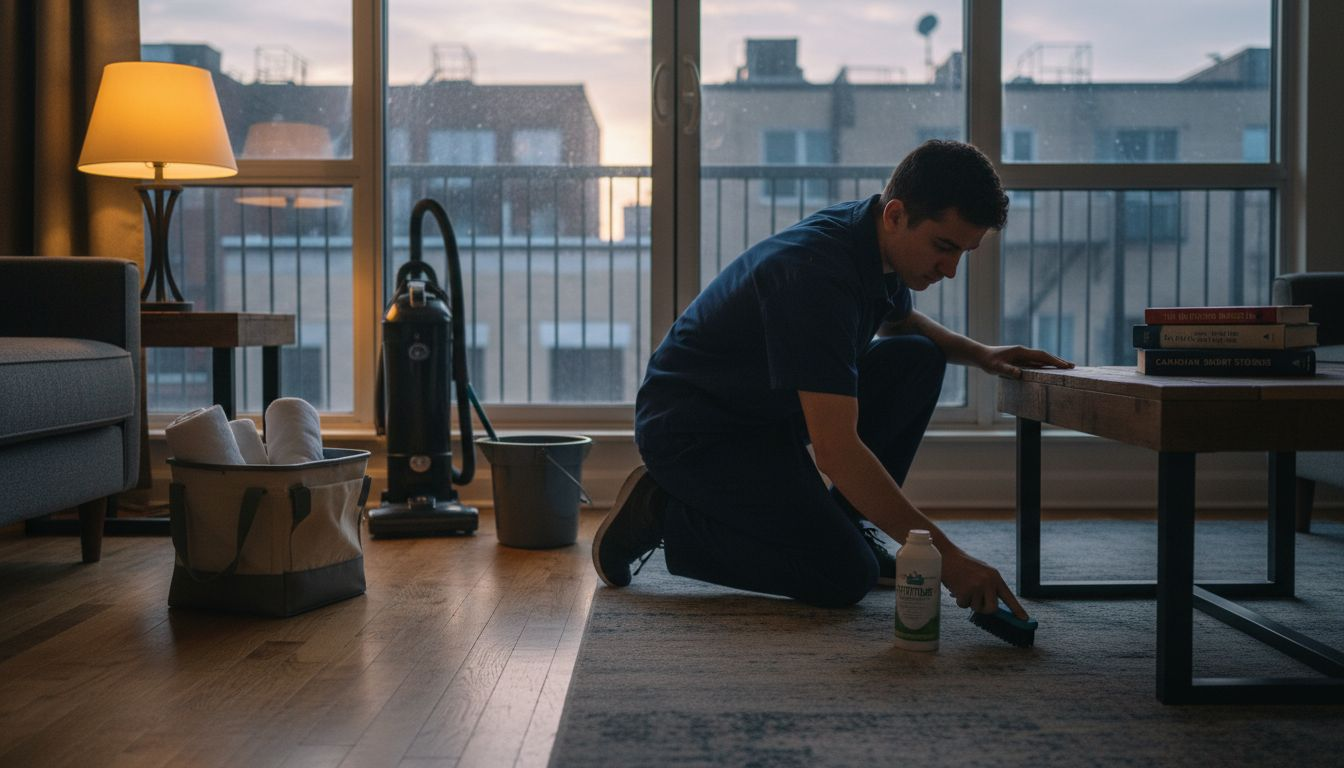
Scheduling deep cleaning once or twice yearly alongside regular maintenance creates the most affordable long-term strategy. You’re preventing damage rather than reacting to neglect.
Deep cleaning typically covers:
- Interior windows and window sills
- Baseboards and corners
- Behind and under furniture
- Kitchen appliance interiors
- Grout and tile deep sanitising
- Carpet or floor restoration
Specialised Cleaning Services
Canadian properties face unique cleaning challenges. Weather, climate, and architectural styles create specific needs.
Common specialised services include:
- Window cleaning (essential for Vancouver’s rainy climate)
- Exterior pressure washing (removes mould and mildew buildup)
- Gutter and roof cleaning (prevents water damage)
- Carpet and upholstery care
- Post-renovation cleaning
- Commercial office cleaning
Small business owners often benefit from combining regular office cleaning with quarterly deep cleans. This keeps workspaces professional without excessive spending.
The most affordable approach combines regular maintenance with strategic deep cleaning rather than sporadic emergency services.
Move-In and Move-Out Cleaning
These specialised services handle property transitions. Landlords and tenants both benefit from professional cleaning that documents property condition.
Move-out cleaning costs less when the property is already well-maintained. This is another reason consistent cleaning saves money over time.
Choosing What You Actually Need
Not every business or home needs every service. Start by identifying your biggest cleaning challenges, then select services that address those specific issues.
Budget-conscious homeowners often start with bi-weekly regular cleaning and add deep cleaning seasonally. Small business owners might schedule daily or weekly office cleaning with monthly deep services.
Here’s a summary of Canadian cleaning services and their benefits:
| Service Type | Typical Tasks | Best For | Cost-Effectiveness Impact |
|---|---|---|---|
| Regular Cleaning | Surface dusting, vacuuming | Ongoing maintenance | Reduces dirt buildup |
| Deep Cleaning | Appliance interiors, grout | Annual or biannual needs | Prevents major repairs |
| Specialised Services | Windows, pressure washing | Climate-specific issues | Avoids seasonal damage |
| Move-In/Move-Out | Whole-property sanitising | Property transitions | Improves rental value |
Pro tip: Request a custom cleaning plan rather than accepting preset packages—professional cleaners can tailor services to your specific needs and budget, often costing less than standard offerings.
How affordable cleaning works: Methods and tools
Affordable cleaning isn’t about working harder—it’s about working smarter. The right methods and tools transform cleaning from exhausting drudgery into an efficient, cost-effective routine.
Professional cleaners know secrets that make cleaning faster and cheaper. Understanding these approaches helps you appreciate why professional services often cost less than you’d spend buying tools and products yourself.
Standardised Cleaning Methods
Effective affordable cleaning relies on systematic approaches rather than random scrubbing. Professional cleaners follow proven methods that minimise waste and maximise results.
Priority-based cleaning focuses on the surfaces people notice and touch most frequently. This means bathrooms and kitchens receive thorough attention while less-used areas get appropriate but lighter cleaning.
Standardised cleaning routines ensure consistent results while reducing time and product waste. Following manufacturer instructions for products prevents costly mistakes like damaging surfaces or using excessive amounts.
Planning your cleaning path matters more than most homeowners realise. Working from top to bottom and left to right prevents re-cleaning areas and saves significant time.
The Power of Right Tools
Microfibre cloths are game-changers for affordable cleaning. They trap dirt and bacteria far better than cotton or paper, meaning you use less product and achieve superior results.
Automated equipment like pressure washers, robotic vacuums, and floor polishers reduce labour costs dramatically. For exterior work or large spaces, professional-grade tools justify their investment through time savings alone.
Essential affordable cleaning tools include:
- Microfibre cloths and mops (reusable, cost-effective)
- Spray bottles for diluted solutions
- Squeegees for windows and glass
- Stiff-bristled brushes for grout and corners
- Vacuum cleaners with HEPA filters
- Pressure washers for exterior work
Regular equipment replacement prevents deterioration. Worn mop heads spread bacteria rather than removing it, defeating the purpose of cleaning entirely.
Lean Methodology for Cleaning
The 5S lean method transforms cleaning efficiency through five systematic steps: sort, set in order, shine, standardise, and sustain.
This approach eliminates waste by organising tools logically, cleaning purposefully, and maintaining consistent routines. Homes or offices using 5S methods spend less on cleaning products and complete tasks faster because everything has its place and nothing gets duplicated or lost.
Efficient cleaning methods reduce waste, time, and cost while delivering better hygiene results than haphazard approaches.
Combining Methods and Tools Effectively
Professional cleaners blend these elements seamlessly. They select appropriate tools for each task, follow systematic paths through spaces, and use products efficiently.
For Vancouver-area homeowners and business owners, understanding these principles explains why professional residential cleaning costs less than expected. Professionals invest in quality tools and proven methods that minimise material waste and labour time.
Pro tip: Invest in a few quality tools like microfibre cloths and a good vacuum rather than accumulating dozens of cheap products—better tools reduce cleaning time by 30-40 per cent and last years longer.
Hidden costs and common mistakes to avoid
Affordable cleaning sounds inexpensive until hidden costs surface. The cheapest approach often becomes the most expensive when mistakes create damage or require expensive corrections.
Understanding what goes wrong helps you avoid costly pitfalls that erase any savings you thought you were making.
Improper Chemical Use
Wrong chemicals damage surfaces faster than dirt ever could. Using bleach on granite counters, vinegar on natural stone, or harsh chemicals on delicate fabrics creates permanent damage requiring expensive restoration.
Improper chemical combinations create dangerous reactions. Mixing ammonia-based cleaners with bleach produces toxic fumes that damage lungs and require emergency medical attention. One hospital visit costs thousands of dollars.
Improper chemical use and neglecting manufacturer guidelines inflate costs dramatically. Always read product labels and follow instructions exactly.
Skipping Steps That Matter
Skipping surface cleaning before disinfection defeats the entire purpose. Disinfectants work on clean surfaces only, not on dirt or grime. Skipping this step means you’re paying for products that don’t actually work.
Overusing disinfectants wastes money and damages surfaces. More product doesn’t equal better results—it just means wasted money and unnecessary chemical exposure.
Common costly mistakes include:
- Skipping pre-cleaning before disinfecting
- Using too much product in hopes of better results
- Ignoring equipment maintenance until breakdown
- Not following cleaning protocols consistently
- Mixing incompatible products
- Using expired or degraded products
Equipment Neglect
Worn-out mop heads, clogged vacuum filters, and deteriorated brushes stop working effectively. You end up cleaning the same area repeatedly because equipment can’t remove dirt properly.
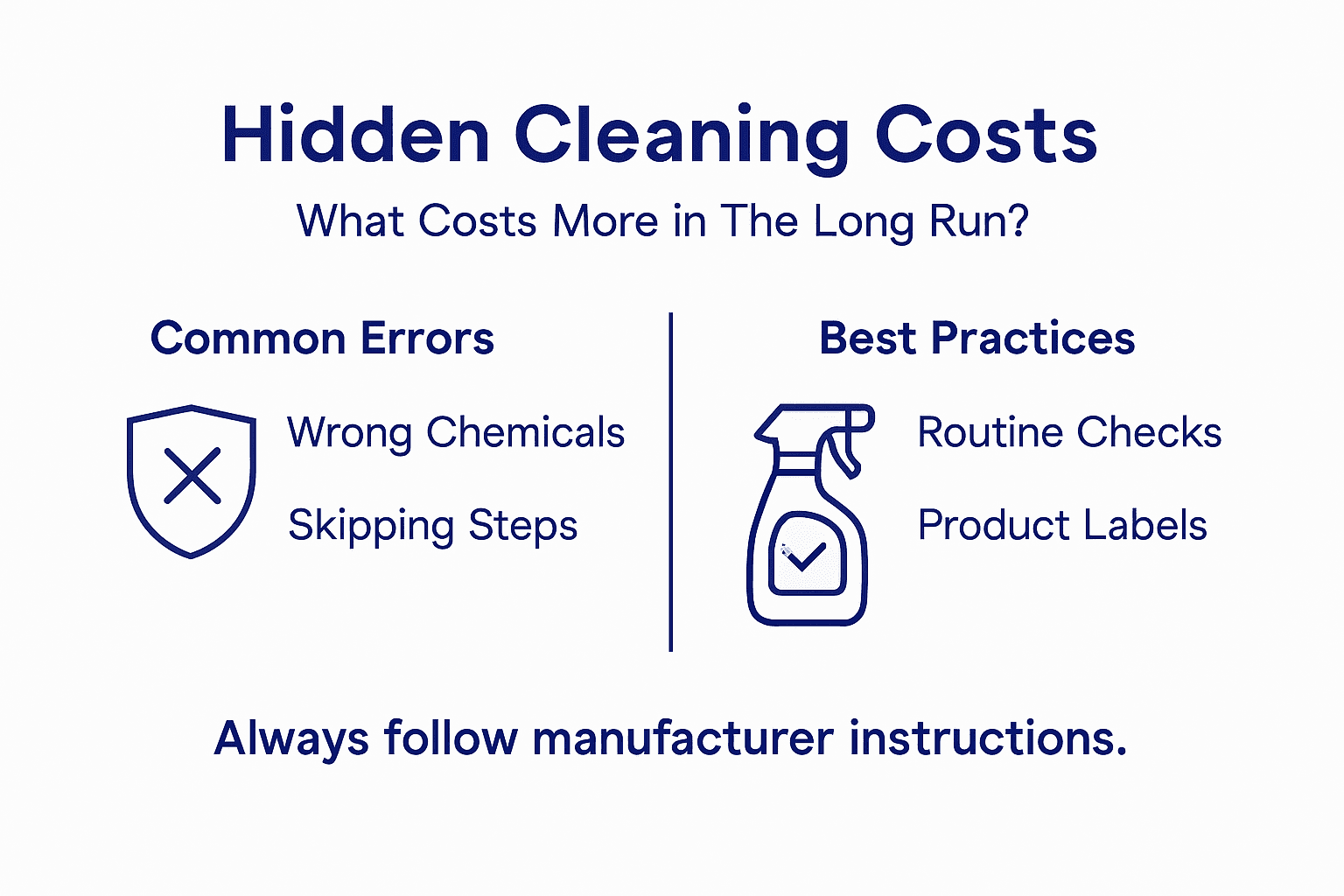
Regular equipment maintenance costs far less than emergency replacement. A $5 filter replacement prevents a $800 vacuum replacement.
Ignoring equipment breakdown creates cascading problems. When cleaning becomes inefficient, you spend more time and money trying to achieve results that proper equipment would deliver easily.
Hidden costs multiply when you skip maintenance, use wrong chemicals, or ignore manufacturer instructions—prevention always costs less than correction.
Training and Inconsistency
Without proper training, staff or household members make expensive mistakes repeatedly. Inadequate training and inconsistent disinfectant use lead to wasted products and poor results.
Consistent protocols ensure everyone cleans the same way, preventing damage and waste. Auditing cleaning practices catches errors before they become expensive problems.
Small business owners often overlook this completely. Without training systems, new staff repeat costly mistakes while experienced staff develop inconsistent habits.
Pro tip: Document your cleaning procedures and review them quarterly—written standards prevent the hidden costs of repeated mistakes and ensure consistent, affordable results across your team.
Eco-friendly and cost-effective cleaning solutions
Eco-friendly cleaning doesn’t mean paying more. In fact, sustainable cleaning practices often cost less while protecting your health and the environment.
Green cleaning solutions deliver real savings when you understand how they work and combine them with smart practices.
Why Green Cleaning Saves Money
Safer ingredients often work better and last longer. Green-certified products concentrate their active ingredients more efficiently, meaning you use less product per cleaning session.
Chemical products require frequent replacement and disposal. Green alternatives require less frequent use, reducing your total spending over time. You’re also avoiding costly health consequences linked to toxic fumes and skin exposure.
Green cleaning products certified by the EPA reduce both health hazards and disposal costs while remaining cost-competitive. When you factor in avoided health issues and reduced chemical waste, the savings become obvious.
Compare the impact of traditional versus green cleaning solutions:
| Aspect | Traditional Products | Green Products |
|---|---|---|
| Health Risks | Respiratory issues, irritation | Reduced exposure, safer |
| Longevity | More frequent replacement | Longer-lasting ingredients |
| Environmental Impact | Higher chemical waste | Lower disposal needs |
| Upfront Cost | Typically lower | Slightly higher |
| Long-term Savings | Costly due to health/repairs | Greater savings over time |
Real Cost Savings Beyond Product Price
Green cleaning methods improve indoor air quality, reducing health-related absenteeism. When employees or family members stay healthier, productivity increases and healthcare costs drop.
Minimising chemical use lowers disposal expenses significantly. Fewer hazardous materials mean simpler, cheaper disposal processes.
Sustainable cleaning yields savings through:
- Reduced product usage per cleaning cycle
- Lower health-related absences and medical costs
- Decreased disposal and waste management fees
- Longer-lasting equipment (chemicals damage tools less)
- Improved employee or family productivity
- Avoided property damage from harsh chemicals
Small business owners particularly benefit from reduced absenteeism. When staff stay healthier, scheduling becomes predictable and coverage needs decrease.
Effective Green Cleaning Practices
Combining green products with proper technique maximises results. You don’t need more product; you need the right approach.
Regular, consistent cleaning with green products prevents buildup better than occasional harsh chemical blitzes. This means less intensive (and expensive) deep cleaning needs.
Green cleaning combined with effective schedules lowers operational costs while improving health and environmental outcomes.
Implementing Green Solutions at Home and Work
Start by switching your most-used products to green alternatives. This immediately reduces exposure while lowering costs.
For Vancouver-area homes and businesses, affordable home cleaning tips show how green methods integrate seamlessly into existing routines. You maintain cleanliness while eliminating unnecessary expenses.
Many professional cleaning services use green-certified products exclusively. This means you gain expertise and eco-friendly benefits without the learning curve.
Pro tip: Switch to green-certified products for your highest-use cleaning tasks first—this maximises health benefits and cost savings where they matter most while you transition gradually.
Discover Real Savings with Professional Affordable Cleaning in Vancouver
Affordable cleaning is more than just a low price. It means smart, safe choices that protect your home, health, and budget over time. If you want to avoid costly mistakes like ineffective products, hidden health risks, or emergency repairs, you need cleaning solutions tailored to your specific needs and environment. That is exactly what GetProClean offers for residents and small business owners in Vancouver and surrounding cities.

Experience the difference with trusted, licensed professionals who understand affordable cleaning practices inside and out. From regular house cleaning to specialised deep cleaning, our certified team uses proven methods and safer products that deliver consistent, high-quality results. Avoid the hidden costs of damage or overuse and choose GetProClean’s professional home cleaning to enjoy cleaner spaces and peace of mind. Get your custom quote today and start saving time and money while keeping your home or business healthy and spotless.
Frequently Asked Questions
What are some effective methods for affordable cleaning?
To achieve affordable cleaning, focus on systematic methods such as priority-based cleaning, using microfibre cloths, and investing in quality cleaning tools. These practices help maximize cleaning efficiency while reducing product and labor costs.
How can I ensure I’m choosing truly eco-friendly cleaning products?
Look for recognized certifications like the EPA Safer Choice label or Design for the Environment badge. These labels indicate that the products have been verified by independent agencies and contain safer ingredients than conventional cleaners.
What are common mistakes to avoid when cleaning to save money?
Avoid mixing incompatible cleaning products, skipping essential pre-cleaning steps, and neglecting equipment maintenance. Additionally, using excessive amounts of cleaning products can waste money and cause damage.
How can investing in quality cleaning tools contribute to long-term savings?
Quality tools like microfibre cloths and powerful vacuums last longer and enhance cleaning efficiency, reducing the need for frequent replacements. Investing in such tools can lower overall cleaning costs and save time in the long run.