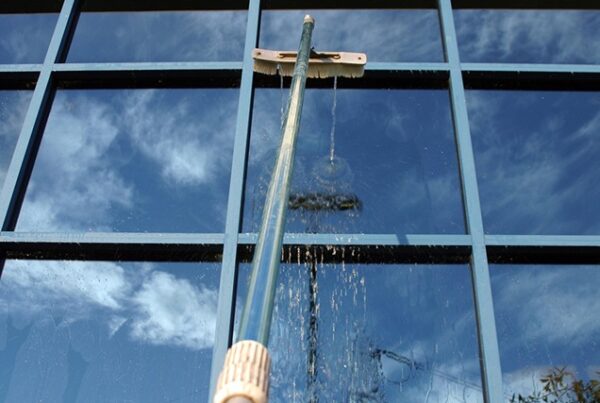


How to Make Window Cleaning Solution With Ingredients You Already Have
Cleaning windows does not have to mean buying expensive sprays from the store. Many people ask the same question when they notice streaks or cloudy glass at home: How to Make Window Cleaning Solution? The good news is that you can make an effective window cleaner using simple ingredients that are already in your kitchen.
Homemade window cleaning solutions are affordable, easy to mix, and work just as well as many commercial products. They also let you control what goes on your glass surfaces, which is helpful if you prefer fewer chemicals in your home. In this guide, you will learn why homemade window cleaners work, what ingredients to use, and how to clean your windows properly for clear, streak-free results.
Why Make Your Own Window Cleaning Solution?
There are several reasons why people choose to make their own window cleaning solution instead of buying one from the store.
First, homemade window cleaners save money. Store-bought window sprays can add up over time, especially if you clean your windows often. A DIY solution costs only a few cents per bottle.
Second, homemade solutions are simple. Most recipes use only two or three ingredients, and mixing them takes less than five minutes.
Third, you avoid harsh chemicals. Many commercial window cleaners contain strong fragrances and chemicals that can irritate your skin or lungs. A homemade solution is gentler while still being effective.
Finally, homemade window cleaners work. When mixed correctly and used the right way, they cut through dirt, fingerprints, and grime just as well as store-bought options.
Basic Ingredients You Need for a Homemade Window Cleaner
You do not need special products to make a window cleaning solution. Most recipes rely on a few basic items.
Water
Water is the base of almost every window cleaning solution. Distilled water works best because it does not contain minerals that can leave streaks or spots on glass. If distilled water is not available, regular tap water can still work, but you may notice more streaking in areas with hard water.
Vinegar
White vinegar is one of the most popular ingredients for homemade window cleaners. It breaks down grease, removes buildup, and helps dissolve grime on glass surfaces. Vinegar also dries quickly, which helps reduce streaks.
Dish Soap
Dish soap can be helpful for windows that are very dirty. It cuts through grease and sticky residue. However, it is important to use only a small amount. Too much dish soap can leave streaks and residue on the glass.
Rubbing Alcohol
Rubbing alcohol helps windows dry faster and improves shine. It is especially useful for mirrors, glass doors, and windows that tend to streak easily.
Simple Window Cleaning Solution Recipes

Below are a few easy recipes you can try at home. Choose one based on how dirty your windows are.
Basic Vinegar and Water Recipe
This is the simplest and most popular homemade window cleaning solution.
Mix one part white vinegar with one part distilled water in a spray bottle. Shake gently to combine.
This recipe works well for lightly dirty windows, mirrors, and glass tables.
Vinegar and Dish Soap Recipe for Extra Dirty Windows
For windows with grease, fingerprints, or outdoor grime, this recipe works better.
Mix two cups of warm water with one cup of white vinegar. Add one or two drops of dish soap. Shake gently.
This solution is ideal for kitchen windows or windows facing busy streets.
Alcohol-Based Window Cleaning Solution
This recipe is great for reducing streaks and speeding up drying time.
Mix one cup of distilled water, one cup of rubbing alcohol, and one tablespoon of white vinegar. Shake gently.
This solution works very well on mirrors, glass doors, and bathroom windows.
How to Mix and Store Your Window Cleaning Solution
Mixing your window cleaning solution is easy, but doing it correctly helps ensure good results.
Always use a clean spray bottle. Leftover chemicals from other cleaners can affect the solution.
Pour the water into the bottle first, then add vinegar, alcohol, or dish soap. This prevents excessive bubbling.
Close the bottle tightly and gently shake to mix. Do not shake too hard if you added dish soap.
Homemade window cleaning solutions can last several weeks if stored properly. Keep the bottle sealed and store it at room temperature. Label the bottle so it is not confused with other cleaning products.
How to Use Homemade Window Cleaning Solution Properly
Using the solution correctly is just as important as mixing it.
Choosing the Right Cloth or Tool
Microfiber cloths work best for cleaning windows. They pick up dirt without leaving lint behind. Paper towels can work, but they often leave fibers on the glass.
For large windows, a squeegee can help achieve an even, streak-free finish.
Correct Cleaning Technique
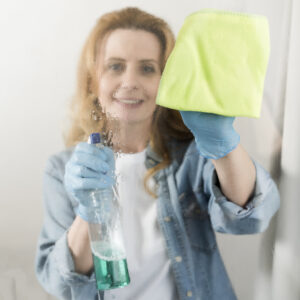
Lightly spray the window with your cleaning solution. Avoid soaking the glass.
Wipe using smooth, even motions. Many people prefer an S-shaped pattern because it helps prevent streaks.
For best results, follow up with a dry microfiber cloth to buff the glass and remove any remaining moisture.
Best Time of Day to Clean Windows
Clean windows when the sun is not shining directly on the glass. Heat causes the solution to dry too quickly, which leads to streaks.
Cloudy days or early mornings are ideal for window cleaning.
How to Avoid Streaks When Cleaning Windows
Streaks are one of the most common frustrations when cleaning windows. Even when the glass looks clean at first, marks can appear once it dries. The good news is that streaks are easy to avoid when you use the right techniques and timing.
Choose the Right Time to Clean
One of the biggest causes of streaks is cleaning windows when the sun is shining directly on the glass. Heat causes water and cleaning solution to dry too fast, leaving behind lines and spots. For best results, clean windows on a cloudy day or during early morning or evening hours when the glass stays cool.
Use the Right Amount of Moisture
Too much liquid can lead to drips and water marks, while too little can cause uneven cleaning. Lightly dampening your cloth or cleaning tool is enough. The goal is to loosen dirt and grime without soaking the glass. If water starts running down the window, you are using too much.
Wipe With Smooth, Consistent Motion
Random wiping often causes streaks. Using smooth, even strokes helps spread moisture evenly across the glass. Many people find that an S-shaped motion works well because it prevents overlapping marks. The key is consistency rather than speed.
Always Finish With a Dry Cloth
Drying the window is just as important as cleaning it. After wiping the glass, use a clean, dry microfiber cloth to buff the surface. This removes leftover moisture and gives the glass a clear, polished finish. Skipping this step is one of the main reasons streaks appear.
Pay Attention to Your Cloths
Clean tools matter. If your cloth has grease, dust, or residue from other cleaning jobs, it will smear the glass instead of cleaning it. Always use microfiber cloths that are clean and free from fabric softener, which can leave streaks behind.
By focusing on timing, technique, and proper drying, you can achieve streak-free windows even without professional tools.
When Homemade Window Cleaning Solution May Not Be Enough
Homemade window cleaners work well for most household cleaning, but there are times when professional help is a better option.
Hard water stains, paint splatters, or heavy mineral buildup can be difficult to remove with DIY solutions.
High exterior windows can be dangerous to clean without proper equipment.
Large apartment buildings or commercial properties often require professional tools and safety procedures.
In these cases, hiring a professional cleaning service can save time and reduce risk.
Professional Window Cleaning vs DIY Solutions
DIY window cleaning solutions are great for regular maintenance and small jobs. They are affordable and easy to use.
Professional window cleaning offers deeper cleaning, better safety, and consistent results. Professionals have tools that reach high windows and remove stubborn buildup.
Many homeowners choose a combination of both. They use homemade solutions for regular cleaning and hire professionals for seasonal or deep cleaning.
Tips for Keeping Windows Clean Longer
 Keeping windows clean does not always mean cleaning them more often.
Dust window frames and sills regularly to prevent dirt from spreading to the glass.
Avoid touching windows with greasy hands.
Clean window tracks so dirt does not transfer onto the glass during opening and closing.
Regular light cleaning prevents heavy buildup and makes each cleaning session easier.
Final Thoughts
Making your own window cleaning solution is simple, affordable, and effective. With just a few common ingredients, you can keep your windows clear and bright without relying on store-bought products. When used properly, homemade solutions work well for most homes and help reduce streaks and residue.
That said, some situations require professional care. High windows, stubborn stains, and large properties are often best handled by experts.
If you want perfectly clean windows without the effort, ProClean’s Cleaning Services Abbotsford is here to help. Our experienced team delivers safe, thorough window cleaning that leaves your glass spotless and streak-free. Get in touch with our team now and let us handle the hard work while you enjoy clear, bright windows.
Follow us on our socials here:
Find out more articles that can help you below:
- How Much Does It Cost Windows Cleaning in Vancouver
- How to Clean Window Screens Without Removing Them
- How to Clean the Inside of a Double Pane Window
- How to Clean Honeycomb Window Shades
- How to Clean Screens in Windows
- How Do You Clean Double Hung Windows
- How to Clean 2nd Story Windows
- How to Clean Horizontal Window Blinds